
Aluminum Composite Panel (ACP)
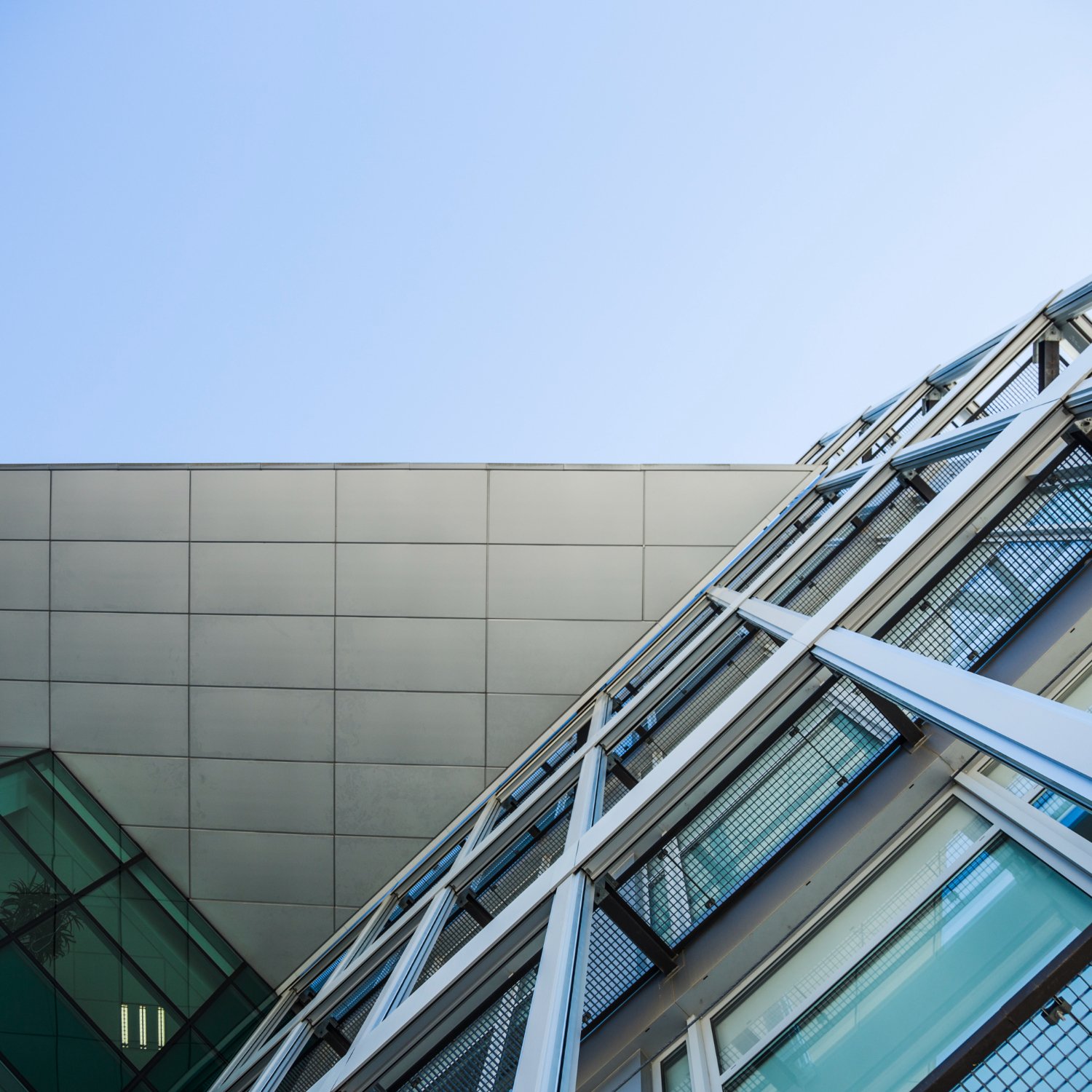
Aluminum composite panel (ACP) façades are lightweight, engineered cladding systems designed to create flat, visually precise exterior surfaces. The system provides clean architectural lines, controlled joint expression, and flexibility in panel size and configuration. ACP façades are installed over a supporting sub-structure, allowing integration of insulation and weather-resistant layers while accommodating thermal and structural movement.
ACP
Aluminum Composite Panel (ACP)
A cement board ventilated façade is an exterior wall system using fiberncement or cement-based panels installed with a ventilation cavity to improve durability, energy efficiency, and moisture control.
Engineered Aluminum Framework
Durable, corrosion-resistant aluminum rails form the primary support, ensuring strength and long-term reliability.
Vertical & Horizontal Rail Alignment
Precisely aligned rails guarantee consistent panel positioning and even spacing, creating a smooth and visually appealing façade.
Load Transfer & Wind Resistance
The sub-structure distributes the weight of panels and resists wind loads, transferring forces safely to the primary building structure.
Thermal Break Integration
Optional thermal breaks reduce heat transfer through the façade, improving energy efficiency.
Fixing Method Compatibility
Designed to support both exposed (face-fixed) and concealed (cassette/tray) systems for a flexible and customizable installation.
Aluminum Composite Panel
What the System Is
ACP systems consist of factory- or site-fabricated aluminum composite panels mounted to a supporting sub-frame fixed back to the building structure. Panels act as the external weathering layer of a ventilated façade assembly, with insulation and protective layers located behind the cladding.
The system configuration and fixing method are selected based on visual intent, panel size, joint strategy, and project-specific performance requirements.
Fixing Concepts
Multiple fixing approaches are commonly used for ACP façades.
Cassette / rout-and-return tray panels
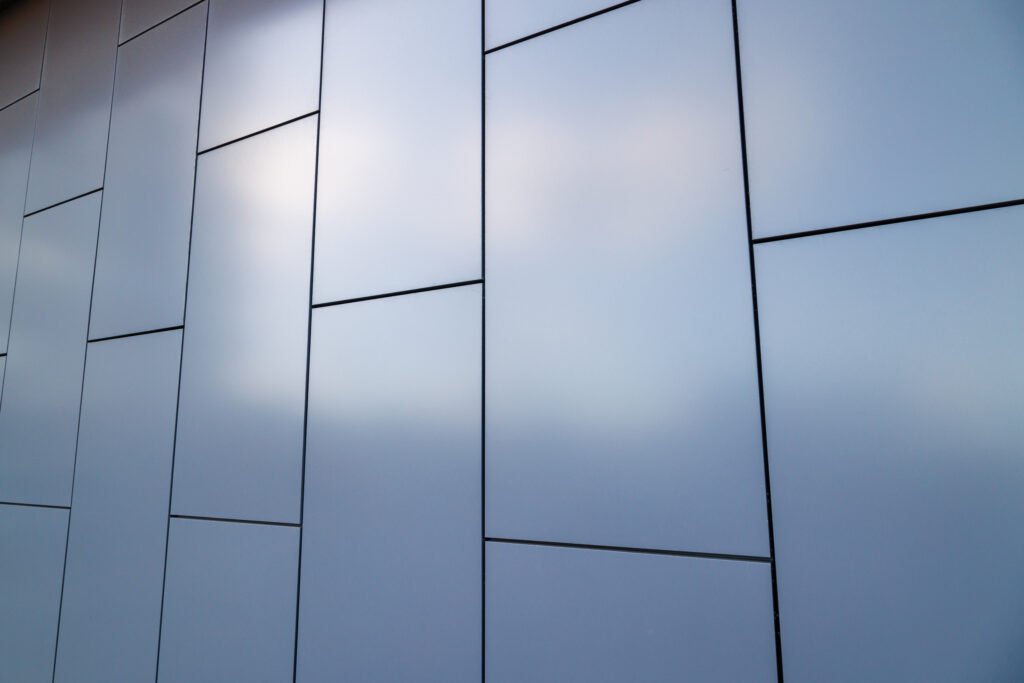
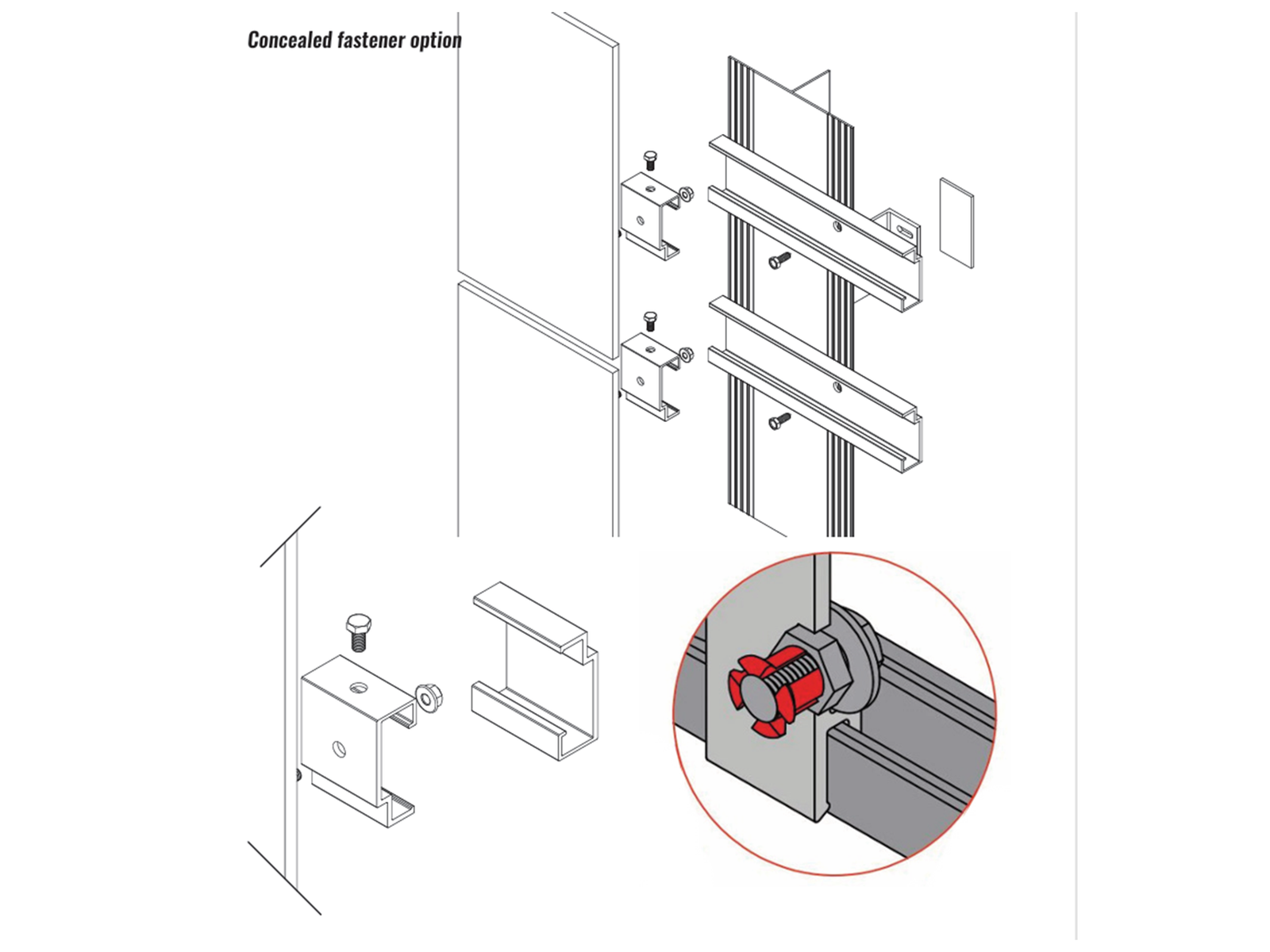
Panels are routed, folded, and fabricated into rigid trays with returned edges. These cassette panels are either hung or mechanically fixed onto rails, providing excellent flatness and concealed fixings.
Riveted face-fixed panels
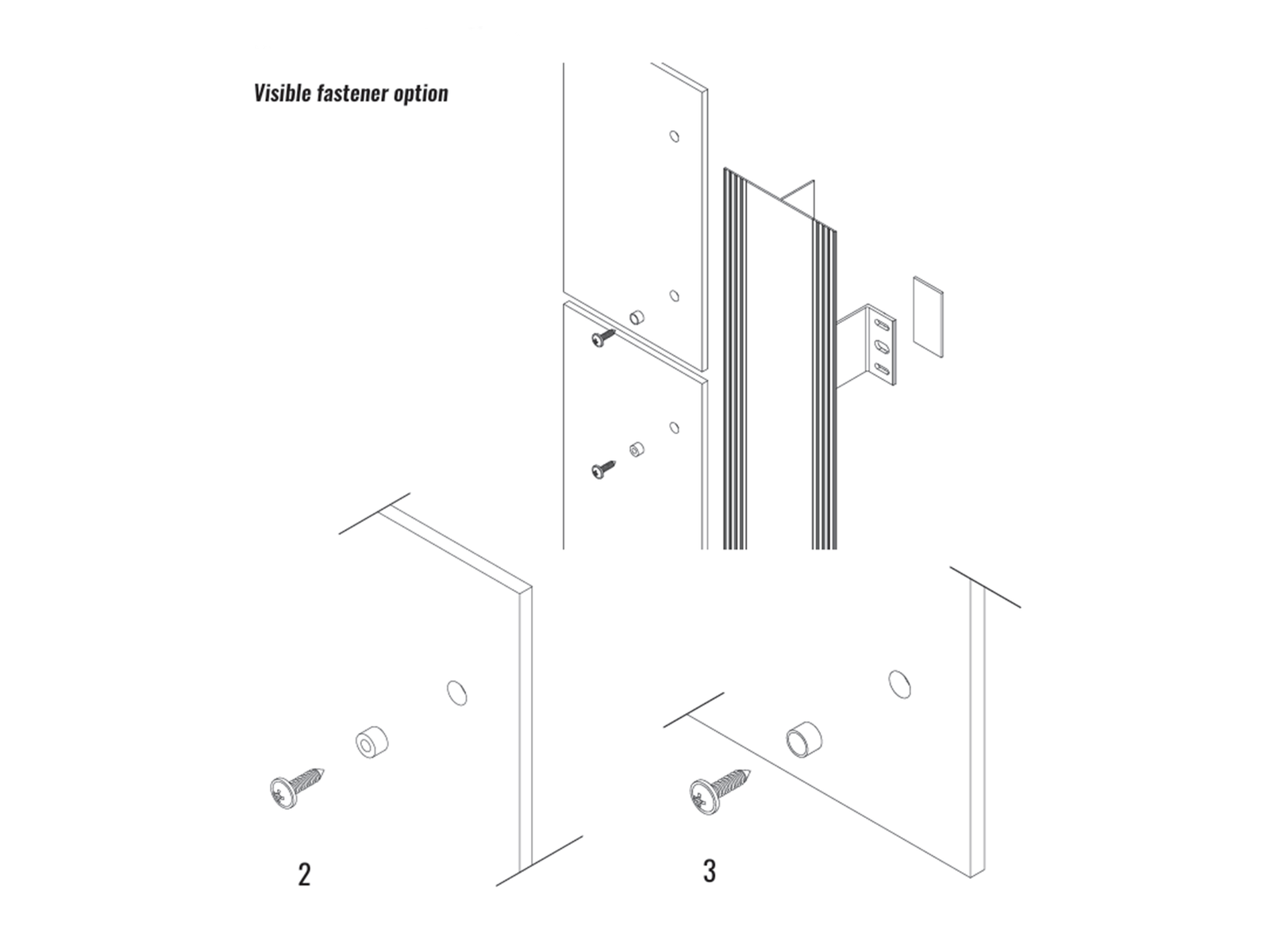
Flat panels are fixed directly through the face to aluminum sub-frames using rivets or screws. This method offers a simple, robust solution with visible fixings and clear joint definition.
Clip and rail systems
Where required, panels may be fixed using concealed clips or rail-based systems that allow panel removal and accommodate movement.
Key Design Notes
This section highlights the critical design considerations for ACP façades, including proper ventilation and drainage, accommodation of thermal and structural movement, alignment tolerances, ease of panel replacement, and compliance with industry standards and best practice.
Ventilation & Drainage
Ensure a continuous cavity behind the panels to allow airflow and moisture drainage, preventing condensation and water ingress.
Movement Accommodation
Fixing systems must allow for thermal expansion and structural movement to avoid panel distortion or joint stress.
Tolerances & Alignment
Adjustable sub-structure and fasteners help maintain precise panel alignment and accommodate building irregularities.
Replaceability & Maintenance
Panels should be removable individually without affecting adjacent panels, supporting safe maintenance and replacement.
Standards & Compliance
Design should comply with CWCT guidelines, ETAG 034 principles, and relevant local codes for ventilated façades.
Material Characteristics
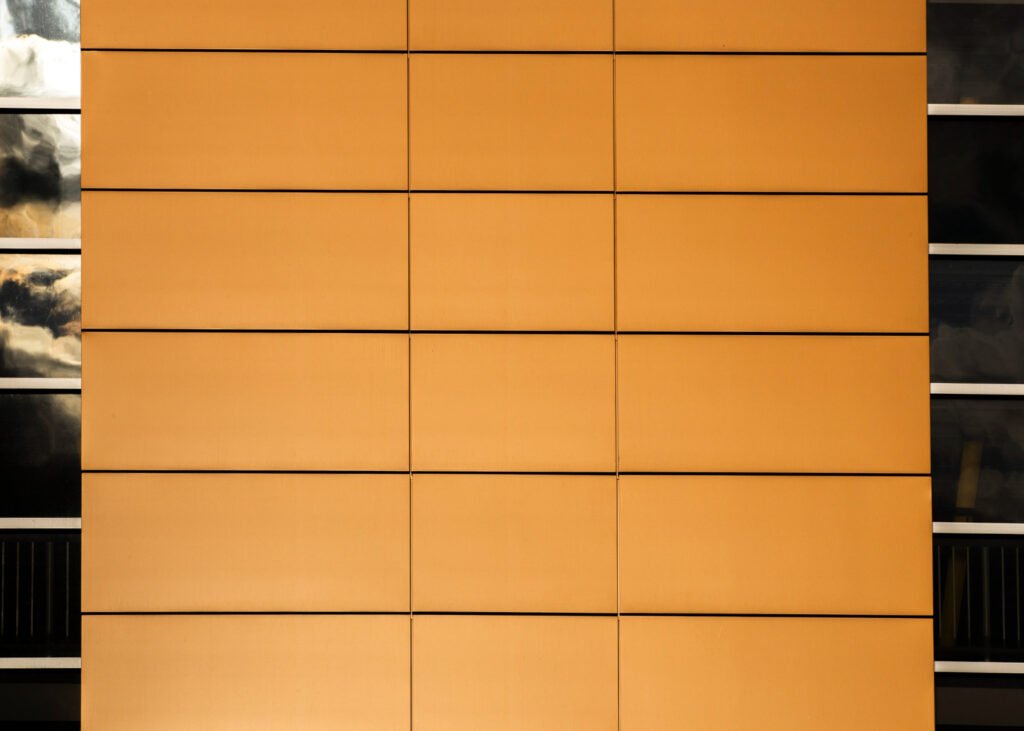
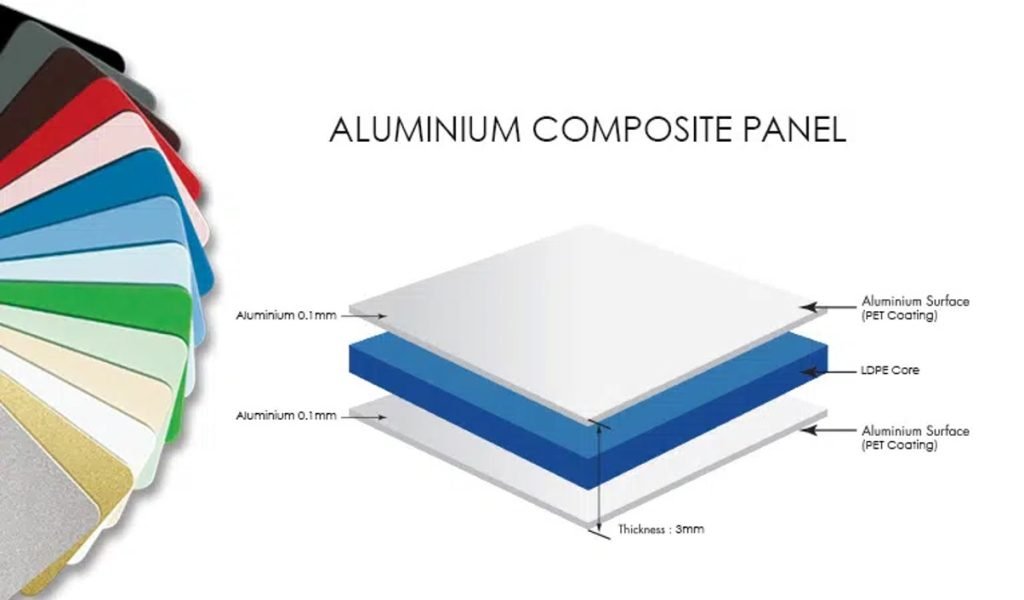
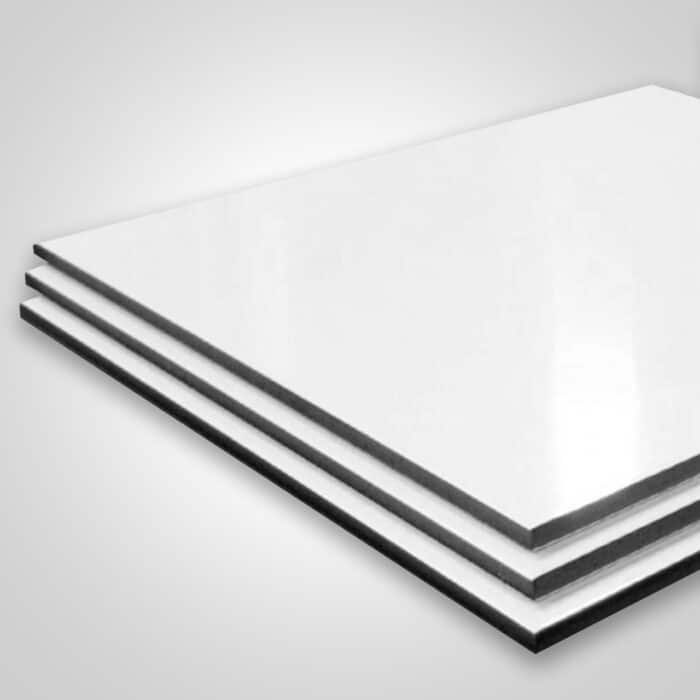
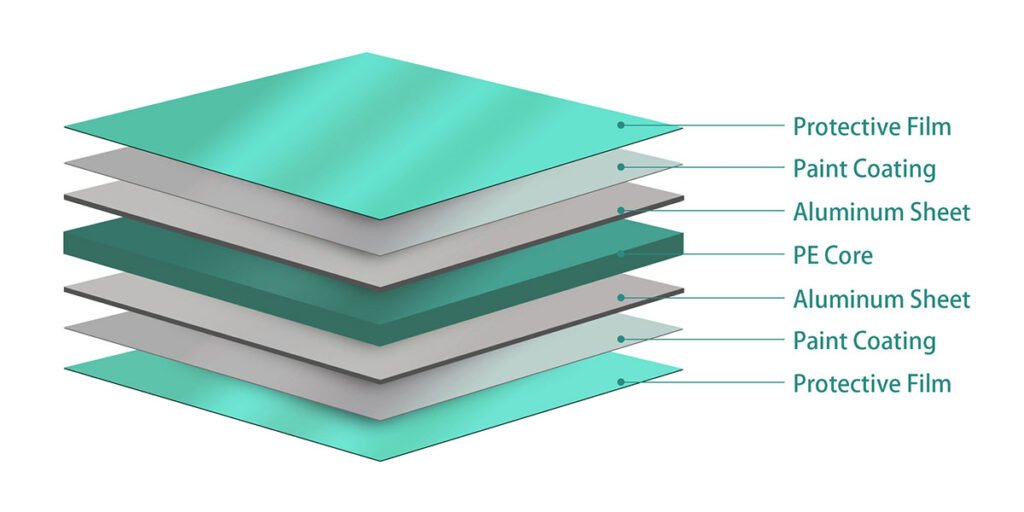
Aluminum Composite Panels (ACP) are composed of two aluminum face sheets permanently bonded to a solid core, forming a lightweight yet stable façade material with high fabrication flexibility and reliable performance.
Key material characteristics include:
The panels are treated with integral hydrophobic solution that reduces water absorption, effectively preventing water infiltration and minimizing dirt spots.
- High strength-to-weight ratio, reducing structural load while maintaining façade rigidity
- Smooth and uniform surface quality, supporting clean lines and precise joint detailing
- Excellent dimensional stability, helping to control deflection and visual distortion
- Ease of cutting, folding, and cassette fabrication, enabling efficient manufacturing and complex forms
- Consistent visual appearance, even across large façade areas and repeated modules
Due to these properties, ACP is particularly well suited for contemporary architectural applications where flatness, precision, and controlled jointing are essential to the overall façade expression.
Panel Dimensions & Tolerances
ACP panels are supplied in standard sheet formats and can be fabricated into custom-sized modules or folded cassettes to suit specific project requirements. Panel size selection plays an important role in controlling thermal movement and maintaining visual flatness across the façade. Fabrication tolerances must be carefully managed to ensure accurate alignment and consistent jointing. Joint widths should be coordinated to allow for expansion and contraction, while cassette depth and return dimensions contribute to panel stiffness and overall stability. Proper module planning and tolerance control help achieve long-term visual consistency, smooth installation, and reliable façade performance.
Surface Finishes
SASHCO ACP systems support a wide range of factory-applied surface finishes, enabling architects and designers to achieve varied façade expressions while maintaining consistent quality and performance. Available finish options include solid colors in matte, satin, or gloss appearances, metallic finishes for contemporary aesthetics, and brushed or anodized-look surfaces that enhance depth and refinement. Special high-performance coatings can also be specified to improve durability and resistance to environmental exposure. Finish selection is typically guided by the desired architectural character, site conditions, and long-term maintenance requirements of the project.
Ventilated Facades Overview
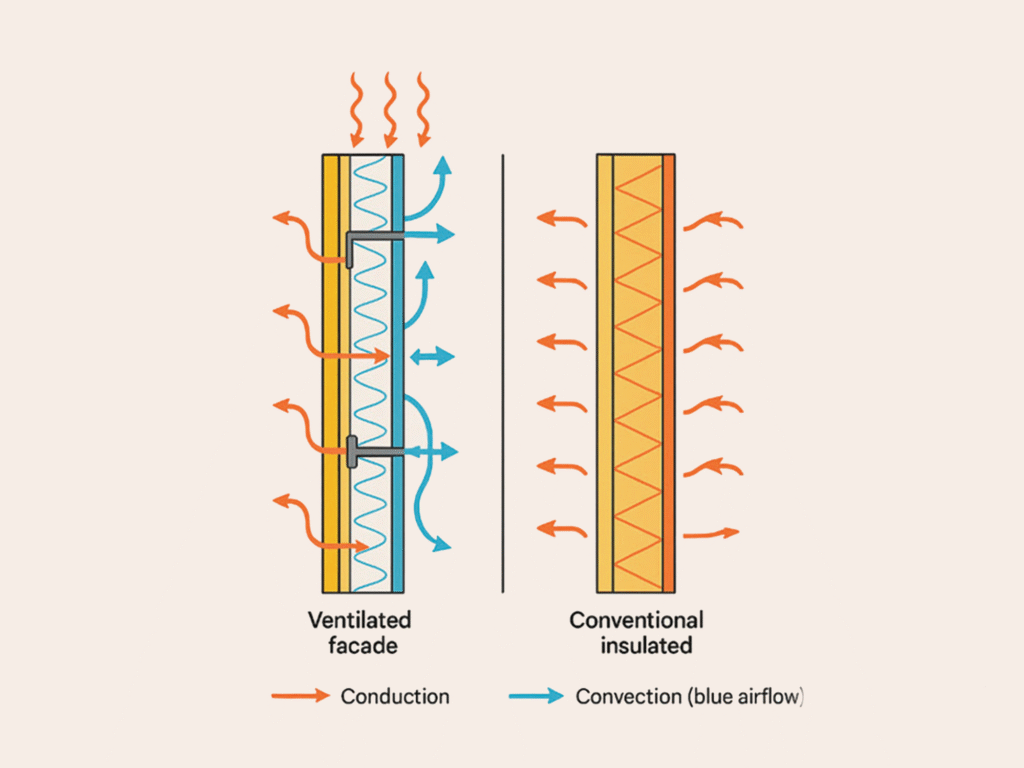
A ventilated facade, or rainscreen system, is a high-performance cladding solution designed to regulate temperature, manage moisture, and protect buildings from environmental damage. The system includes an outer cladding, an air cavity, supporting sub-framing, and continuous exterior insulation for enhanced thermal performance. SASHCO High-Density Fiber Cement panels form the external cladding layer, providing durability and design flexibility.
Ventilated Cavity Functionality
Cavity ventilation a key feature of the system, ensures that the air flows continuously between the cladding and the framing installation layer. Air enters through lower openings and exits through upper ones, as a result of the “chimney effect”. This process dries out the cavity, protecting the panels and mitigating moisture
penetration. Proper cavity design also helps regulate temperature and equalize pressure changes caused by wind.
Design Requirements
Unobstructed Airflow: Keep the cavity clear of restrictions caused by insulation or debris. Insulation must be securely installed to prevent deformation that could block airflow.
Ventilation Openings: Base and top openings must allow sufficient airflow. Anti-intrusion grilles may be used, provided they do not restrict ventilation.
Partitions: Horizontal and vertical partitions may compartmentalize airflow for fire management, but must not block circulation.
Benefits of ACP Ventilated Façades
Lightweight construction: The low weight of ACP significantly reduces dead load on the primary structure, allowing greater design freedom and making it suitable for both new construction and retrofit projects.
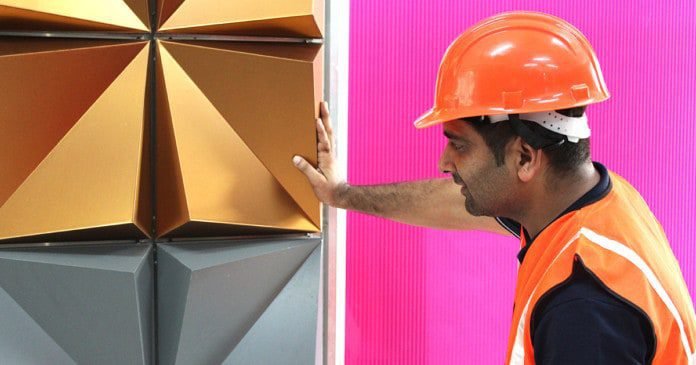
Clean, modern façade expression: ACP panels provide a smooth, consistent surface with precise jointing, supporting sharp architectural lines and a refined, contemporary appearance across large elevations.
Flexible fabrication and design versatility: ACP can be easily cut, folded, and fabricated into cassettes or custom modules, enabling complex geometries, curved surfaces, and detailed façade features.
High serviceability and ease of replacement: Panels can be removed and replaced individually without disturbing adjacent areas, supporting long-term maintenance, repairs, and façade upgrades.
Sub-Structure
Engineered Aluminum Framework
Panels are mounted on a precision aluminum sub-structure, designed for strength, corrosion resistance, and long-term reliability.
Vertical and Horizontal Rail Alignment
Accurate alignment of rails ensures consistent panel positioning, even spacing, and a smooth façade appearance.
Load Transfer and Wind Resistance
The sub-structure distributes loads, including panel weight and wind forces, safely to the building structure.
Thermal Break Integration
Where required, thermal breaks are incorporated to minimize heat transfer and improve energy efficiency.
Compatibility with Fixing Method
The design accommodates both exposed (face-fixed) and concealed (cassette/tray) fixing systems for flexible installation.
Installation instructions
Verify Sub-Structure Alignment and Tolerances
Before installation begins, ensure that all supporting frameworks are accurately aligned and within the specified tolerances. This guarantees proper panel placement and system performance.
Install Insulation and Weather-Resistant Membrane
Place insulation and a weather-resistant barrier over the building envelope as indicated in the design. This layer enhances thermal performance and protects against moisture penetration.
Maintain a Continuous Ventilation Cavity
Ensure the ventilation gap behind the cladding is uninterrupted from the base to the top of the façade. Continuous airflow promotes effective drainage, pressure equalization, and drying of the wall assembly.
Installation instructions
Fix ACP Panels or Cassettes According to System Design
Attach panels or cassettes using the prescribed fixings and layout. Follow the manufacturer’s guidelines to ensure secure attachment and aesthetic alignment.
Allow for Movement at Joints and Fixings
Façade systems must accommodate thermal expansion, structural movement, and other dynamic forces. Check that joints and fixings provide the required movement allowance.
Important: Always refer to detailed, project-specific installation drawings and specifications. These instructions serve as a general overview and may be adapted based on site conditions and system requirements.
Exposed (Face-Fixed) Fixing
Panels are mechanically fixed through the face to aluminum rails using rivets or screws.
- Simple and robust installation
- Easy inspection and replacement
- Cost-effective solution
- Fixings become part of the façade expression
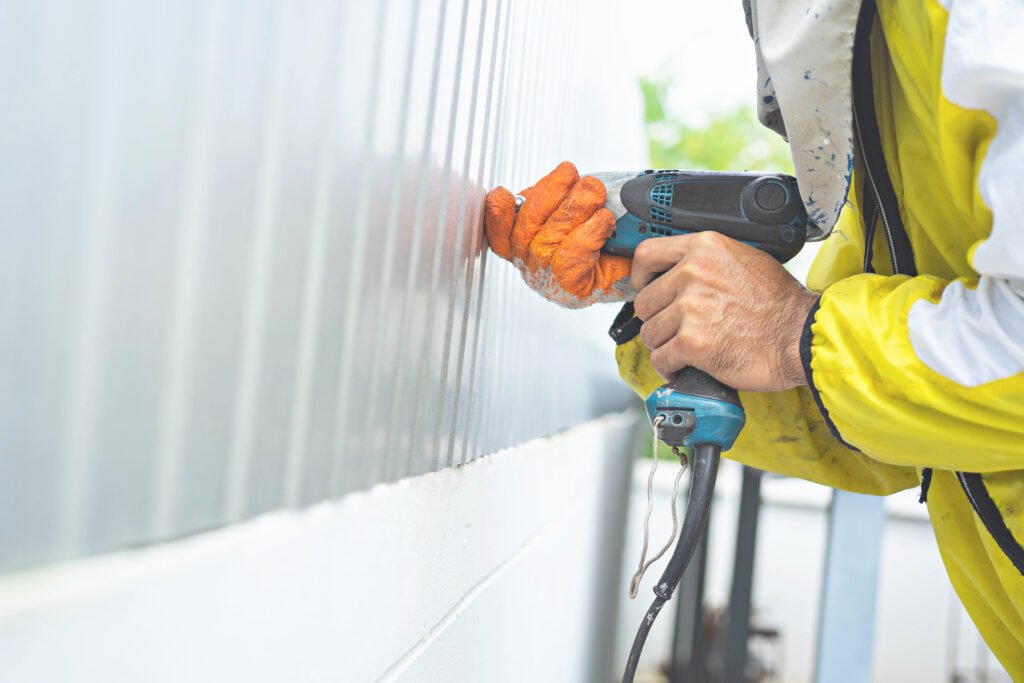
Concealed (Cassette / Tray) Fixing
Panels are folded into cassettes with perimeter returns and hung onto concealed clips or rails.
- Clean, uninterrupted façade surface
- Improved panel stiffness and flatness
- Controlled joint detailing
- Premium architectural appearance
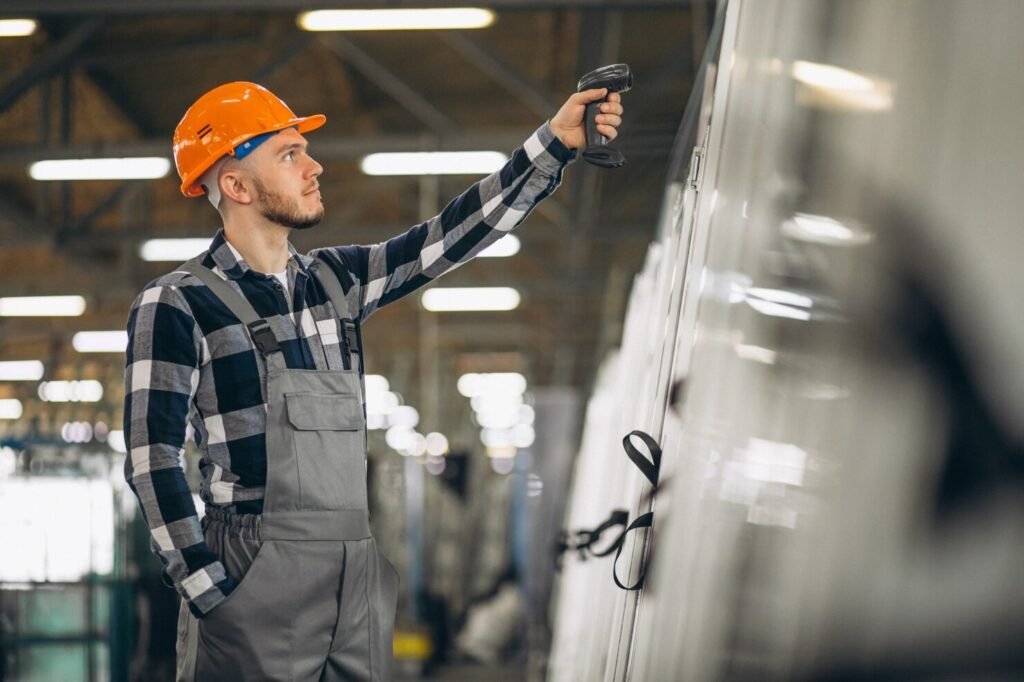
Handling, Checking & Inspecting Panels
Proper handling and inspection of panels are essential to maintain the quality, appearance, and performance of SASHCO Ventilated Façade Systems. Follow these guidelines:
Store Panels Flat on Level Supports
Keep panels horizontal on stable, level supports to prevent warping, bending, or damage.
Protect Surfaces from Scratches and Contamination
Use protective coverings or padding and avoid contact with sharp objects or abrasive materials.
Inspect Panels Before Installation
Check for visible damage, defects, or surface imperfections. Panels should be approved for use only after inspection.
Handle Fabricated Cassettes with Appropriate Lifting Methods
Use suitable lifting equipment and follow recommended handling procedures to prevent distortion or damage.
Key Point: Correct storage, handling, and inspection preserve the panel’s surface quality and ensure accurate, trouble-free installation.