Bahis sitelerinde kullanılan ortalama RTP oranı %95 civarındadır, Bettilt apk bu oranı açıkça paylaşır.
Kumarhane heyecanını seven kullanıcılar Bettilt ile keyif buluyor.
2026 yılında yeni sürümüyle bahis siteleri piyasaya çıkıyor.
Adres güncellemeleriyle sorunsuz bağlantı sağlayan Bettilt önemlidir.
Curacao lisansı, canlı yayın stüdyolarının güvenliğini sağlamak için ISO 27001 sertifikası zorunluluğu getirmiştir; bu koşul Bahsegel kayıp bonusu tarafından karşılanmaktadır.
Adres değişikliklerini öğrenmek için Bettilt kontrol edilmelidir.
Türkiye’deki bahisçilerin bettilt giriş güvenini kazanan güvenilir yapısıyla öne çıkıyor.
Cement Board Cladding
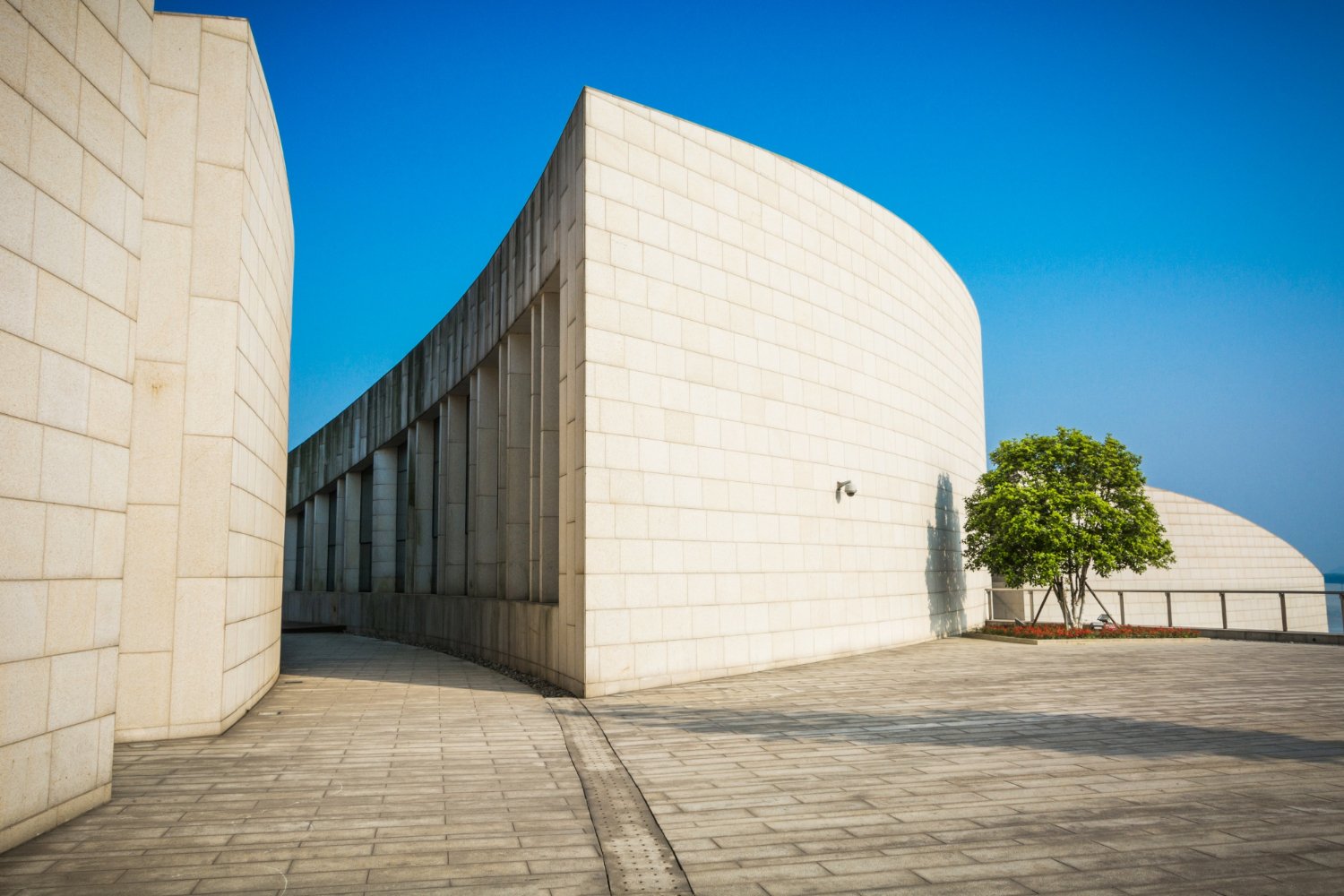
Cement board cladding is widely used in ventilated façade systems due to its durability, dimensional stability, and resistance to exterior environmental conditions. Within the façade assembly, cement boards act as the protective outer skin while the ventilation cavity manages moisture and thermal movement.
Cement Board Ventilated Façade System
A cement board ventilated façade is an exterior wall system using fiberncement or cement-based panels installed with a ventilation cavity to improve durability, energy efficiency, and moisture control.
Material Characteristics
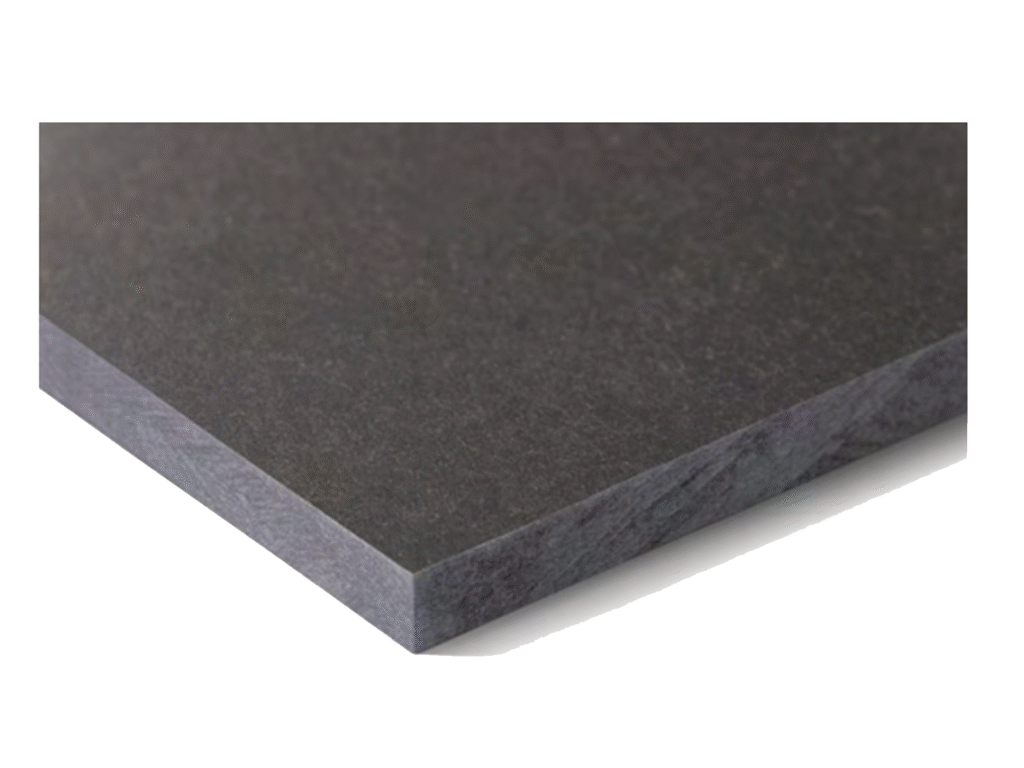
SASHCO panels are made from high-density fiber cement, a composite material combining cement, cellulose fibers, and mineral additives. This composition results in panels that are both lightweight and durable. The material is designed to withstand weather exposure, resist impact, and offer fire-resistant properties.
Water Resistance
The panels are treated with integral hydrophobic solution that reduces water absorption, effectively preventing water infiltration and minimizing dirt spots.
Fire Resistance
SASHCO panels are non-combustible, having passed stringent fire safety tests such as ASTM E136 and NFPA 285, certifying them as safe for use in diverse building applications.
UV Stability
The hydrophobic coating also offers UV resistance, preserving the panels’ color vibrancy and surface integrity when exposed to sunlight.
Impact Resistance
The high-density composition of SASHCO panels provides robust resistance to impacts, ensuring they maintain structural integrity even in demanding environments.
Freeze-Thaw Performance
SASHCO panels have been tested to withstand repeated freeze-thaw cycles without cracking or delamination.
Panel Dimensions & Tolerances
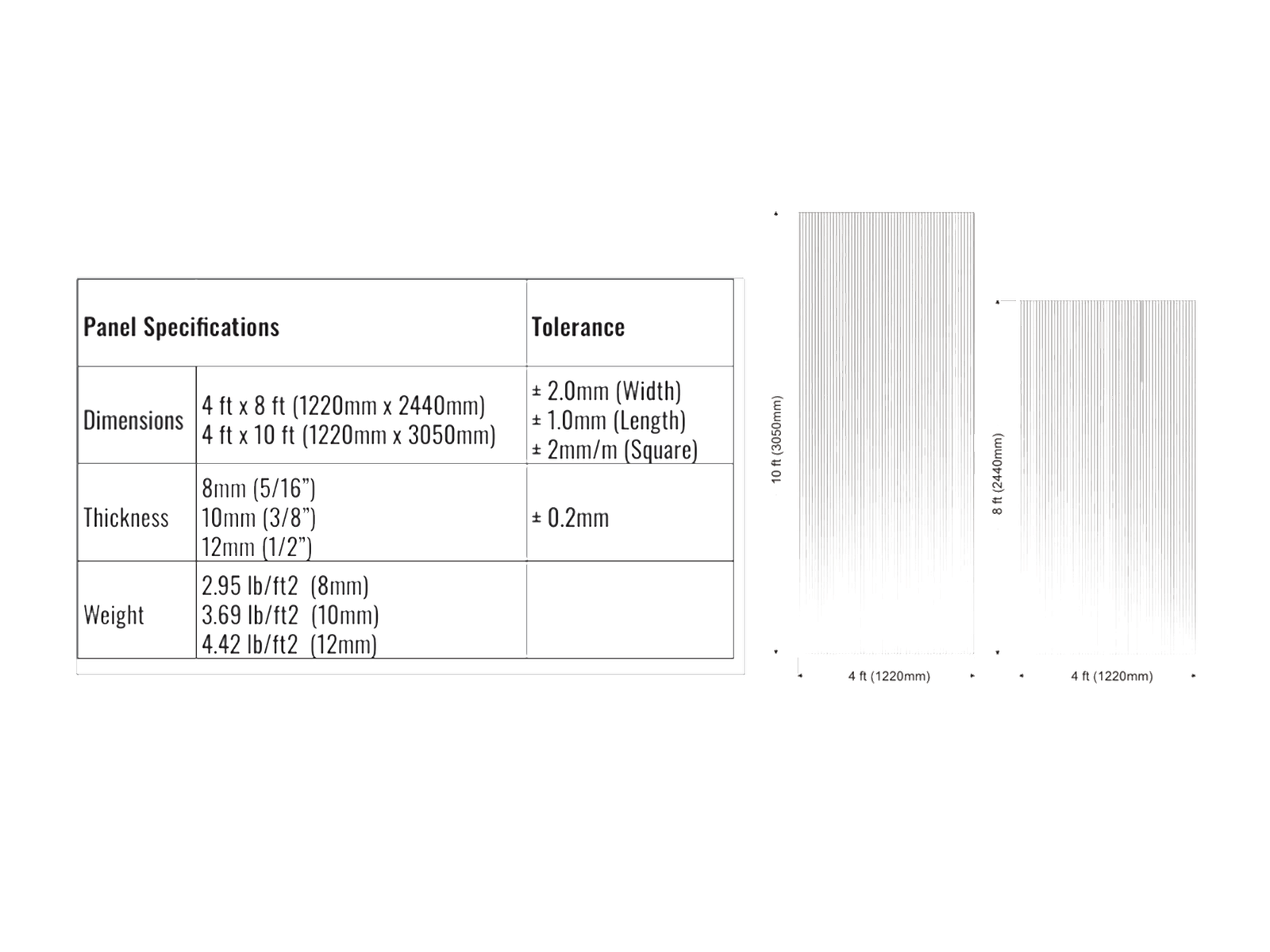
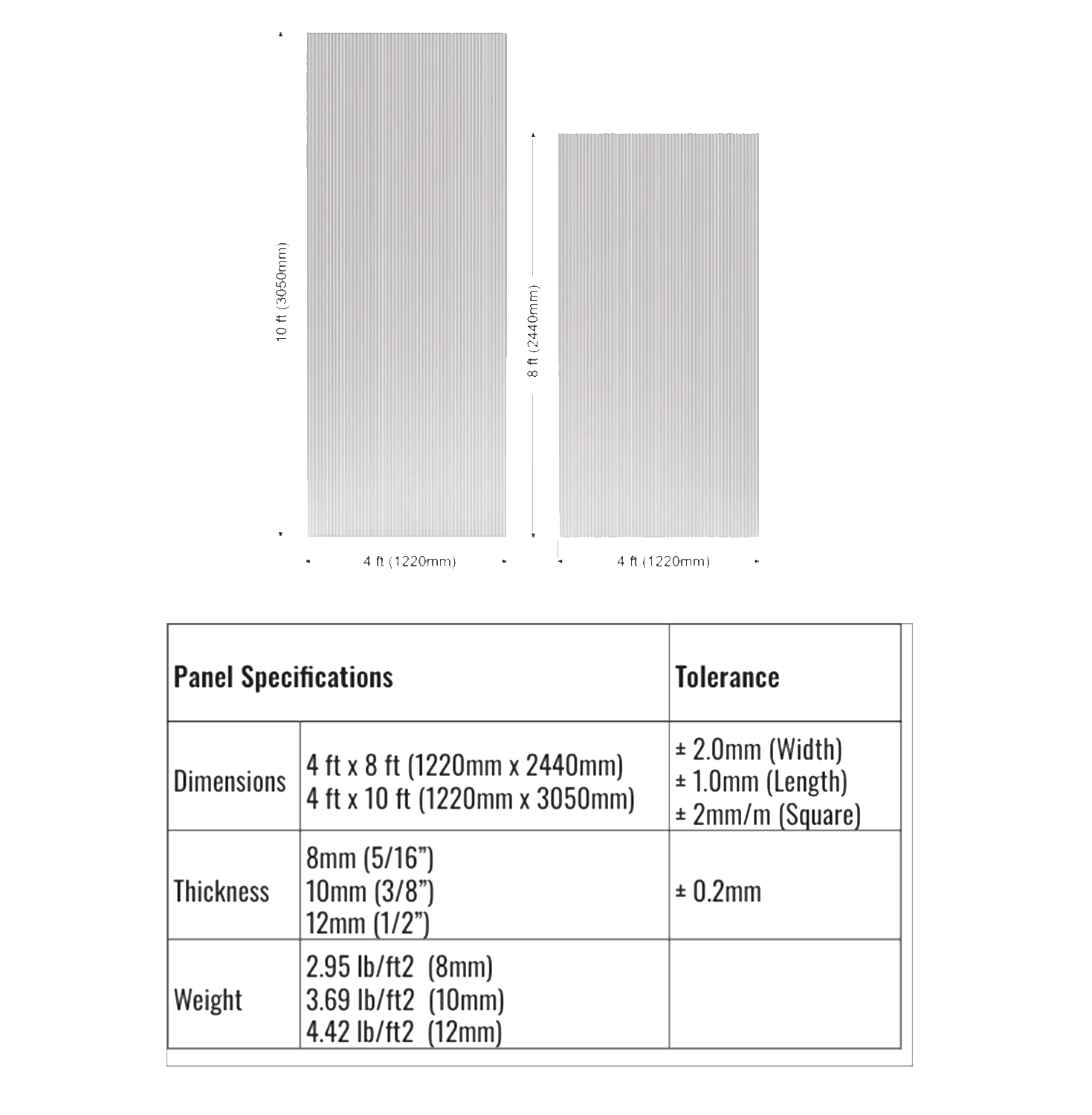
SASHCO High-Density Fiber Cement panels are available in two standard sizes: 4 ft x 8 ft (1220mm x 2440mm) and 4 ft x 10 ft (1220mm x 3050mm). Depending on the project’s requirements, panels are offered in thicknesses of 8mm, 10mm, and 12mm, with thicker options available. Installers should note that panel tolerances are precise, with a dimensional variation of ±2mm on width, ±1mm length, ±0.2mm on thickness, and a squareness tolerance of ±2mm/m.
Panel Appearance
Natural Variation Color variation is an inherent characteristic of mineral-based and cementitious products, including SASHCO High-Density Fiber Cement panels. This natural variation is a result of the materials and processes used in manufacturing, as well as environmental conditions during production. Subtle differences in color and tone between panels are not defects but rather a feature that enhances the natural appearance of the facade.
Ventilated Facades Overview
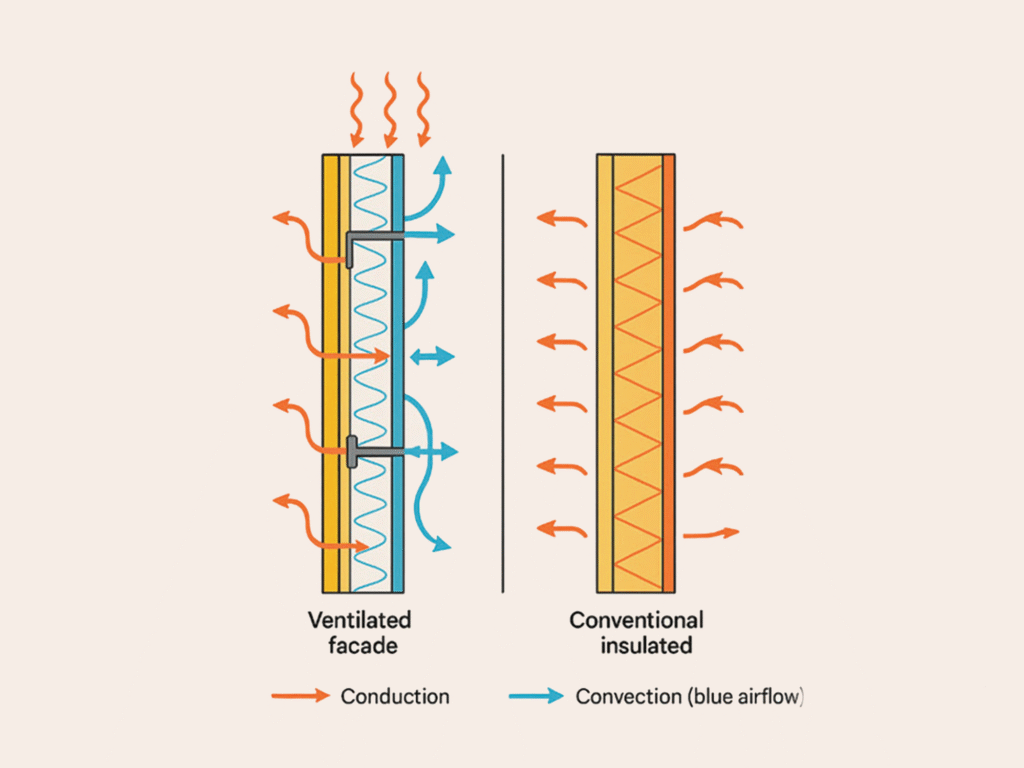
A ventilated facade, or rainscreen system, is a high-performance cladding solution designed to regulate temperature, manage moisture, and protect buildings from environmental damage. The system includes an outer cladding, an air cavity, supporting sub-framing, and continuous exterior insulation for enhanced thermal performance. SASHCO High-Density Fiber Cement panels form the external cladding layer, providing durability and design flexibility.
Ventilated Cavity Functionality
Cavity ventilation a key feature of the system, ensures that the air flows continuously between the cladding and the framing installation layer. Air enters through lower openings and exits through upper ones, as a result of the “chimney effect”. This process dries out the cavity, protecting the panels and mitigating moisture
penetration. Proper cavity design also helps regulate temperature and equalize pressure changes caused by wind.
Design Requirements
Unobstructed Airflow: Keep the cavity clear of restrictions caused by insulation or debris. Insulation must be securely installed to prevent deformation that could block airflow.
Ventilation Openings: Base and top openings must allow sufficient airflow. Anti-intrusion grilles may be used, provided they do not restrict ventilation.
Partitions: Horizontal and vertical partitions may compartmentalize airflow for fire management, but must not block circulation.
Benefits of Ventilated Facades
Energy Efficiency: The air cavity acts as a thermal buffer, reducing heat transfer and lowering energy consumption.
Durability: The cladding protects against weather, UV, and pollutants, extending the building’s lifespan.
Moisture Management: Airflow prevents condensation and mold, preserving structural integrity.
Acoustic Performance
The multi-layered system reduces external noise for improved indoor comfort.
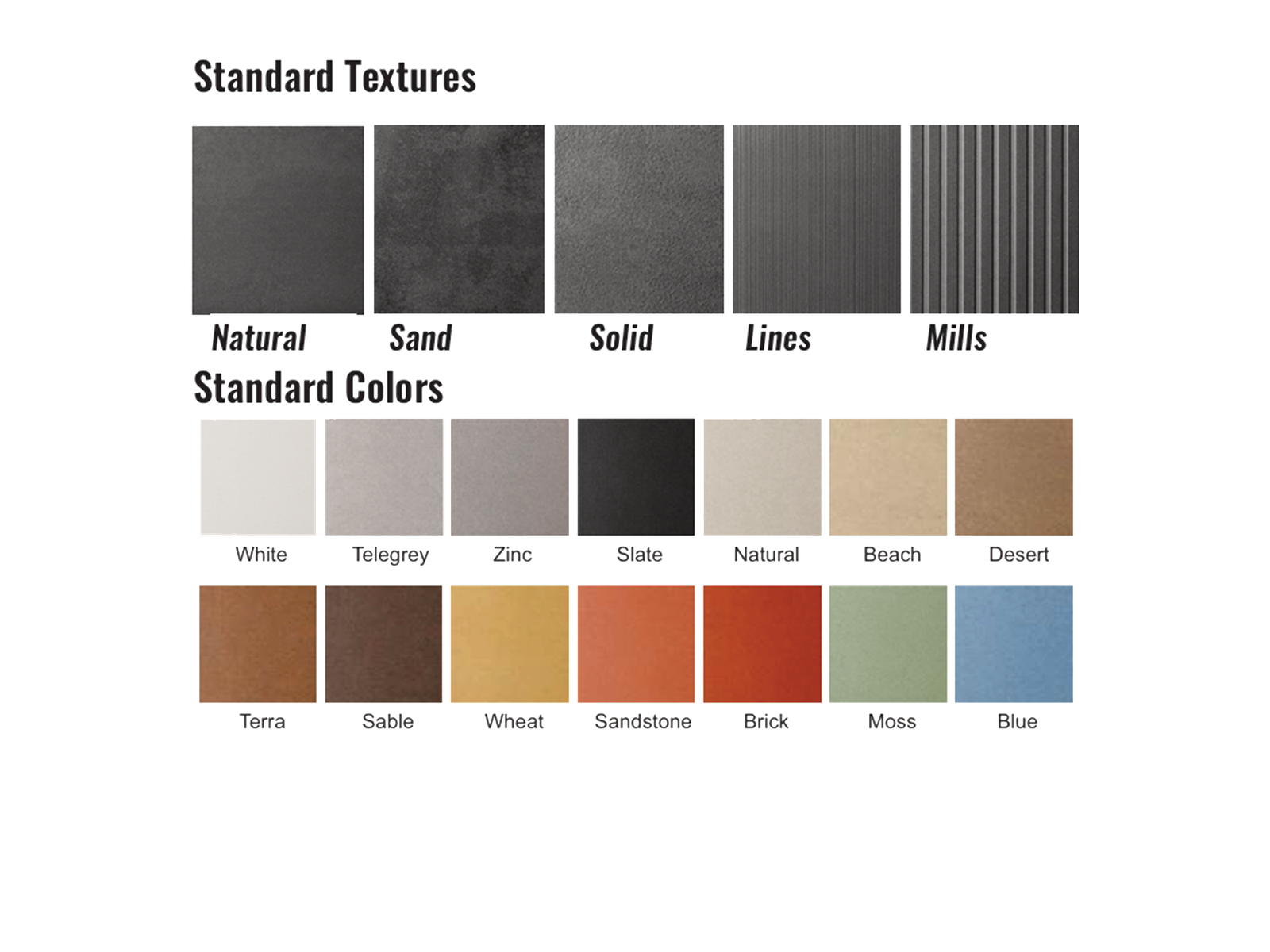
Natural
The naturally dried colour line creates clear expressiveness through a translucent, lightly pigmented surface.
The through-colouring of the fibre cement panels creates monolithic and elegant-looking building envelopes.
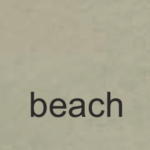
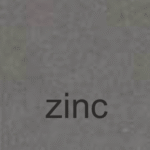
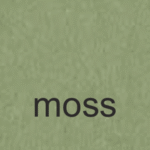
The colour range from light to dark and from cool to warm shades, thus offering a particularly varied colour spectrum.
Multiple joint and fastening options (visible, concealed, adhesive systems)
Solid
The through-colouring of the fibre cement panels creates monolithic and elegant-looking building envelopes.
The colour line ranges from light to dark and from cool to warm shades, thus offering a particularly varied colour spectrum.
Multiple joint and fastening options (visible, concealed, adhesive systems)
Mills
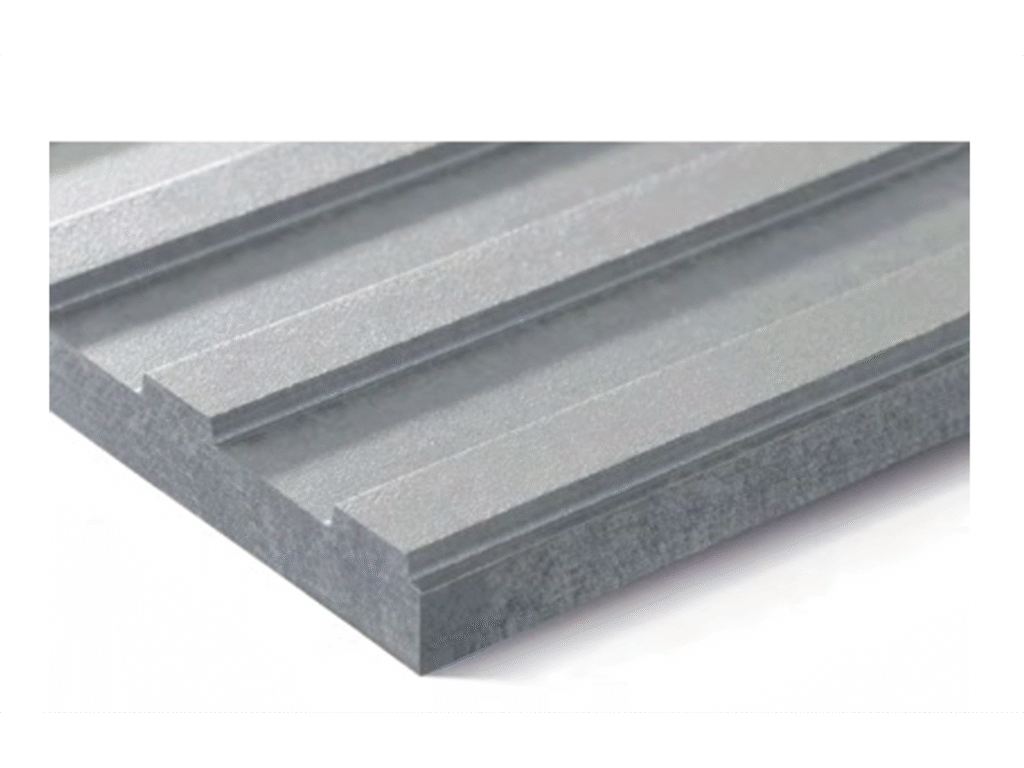
Mills is a naturally dried fibre cement panel with a linear milled surface structure and translucent coating.
Depending on the time of day and the angle of view, it creates an impressive play of light and shadow.
Sand
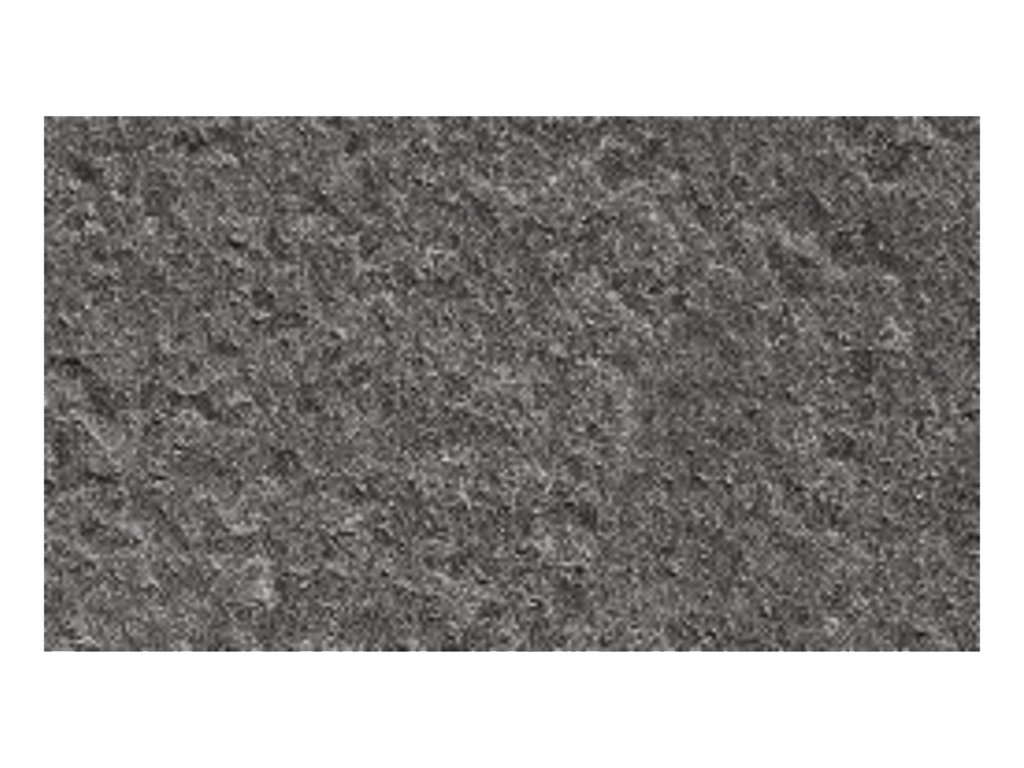
The particular process technique on the surface gives an irregular and worn-out effect, and, at the same time, a refined look that highlights the soft through colorized tones of the product.
Lines
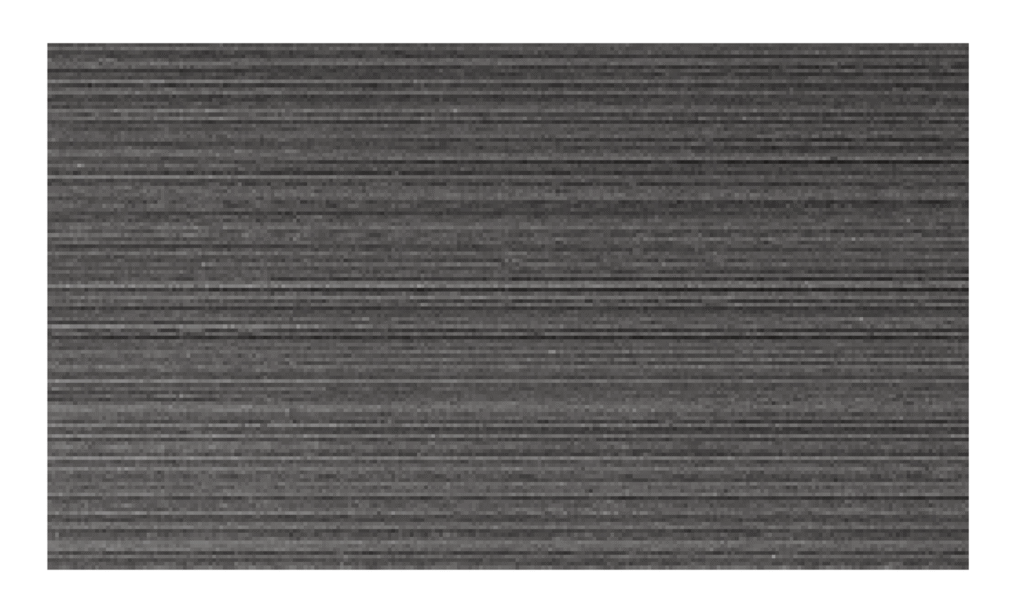
Lines is a naturally dried fibre cement panel, which appeals with a sanded and slightly rough surface. Through the sanding process with a rough abrasive grit, the interior and the originality of the fibre cement board is discreetly carried to the outside. The resulting robust texture of the fibre cement panels disrupts homogeneous surfaces without being obtrusive.
Installation instructions
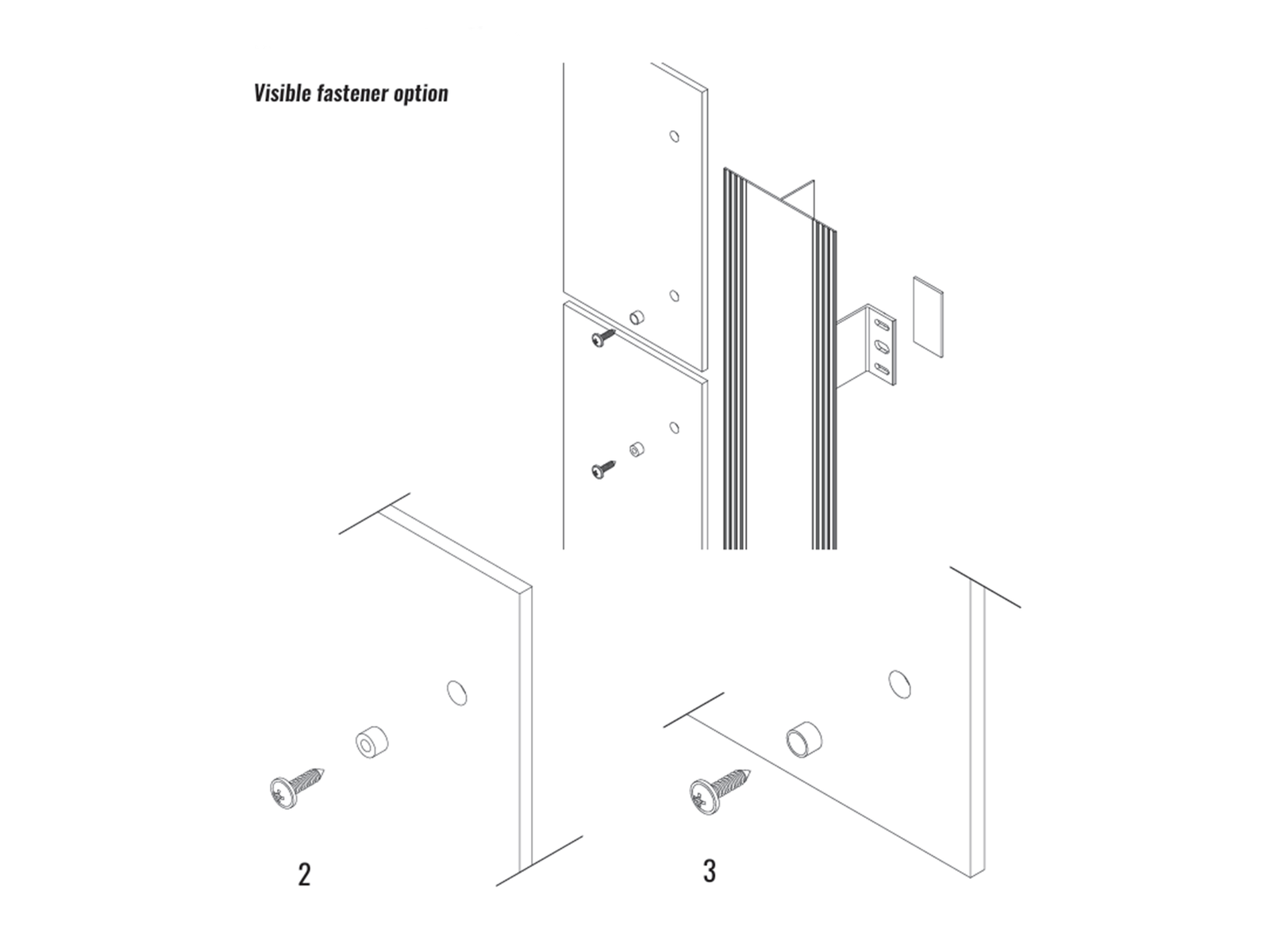
Visible fastener option
Framing: Components Vertical profiles (aluminum or solid wood) create a stable surface for panels. Horizontal supports and brackets connect to the building structure, ensuring alignment, ventilation, and loaddistribution.
Bushings: Fixed-point bushings (2) secure panels at central points, transferring loads to the subframe. Adjustable bushings (3) allow thermal movement and are placed at edges or corners to reduce stress.
Fasteners: Visible (Through Panel Face) Stainless steel and bi-metal fasteners offer corrosion resistance, while the
color-matched heads blend with panel color once installed.
In all instances, Y and X will be relative to panel framing. If framing is horizontal, the measurements should be flipped.
Installation instructions
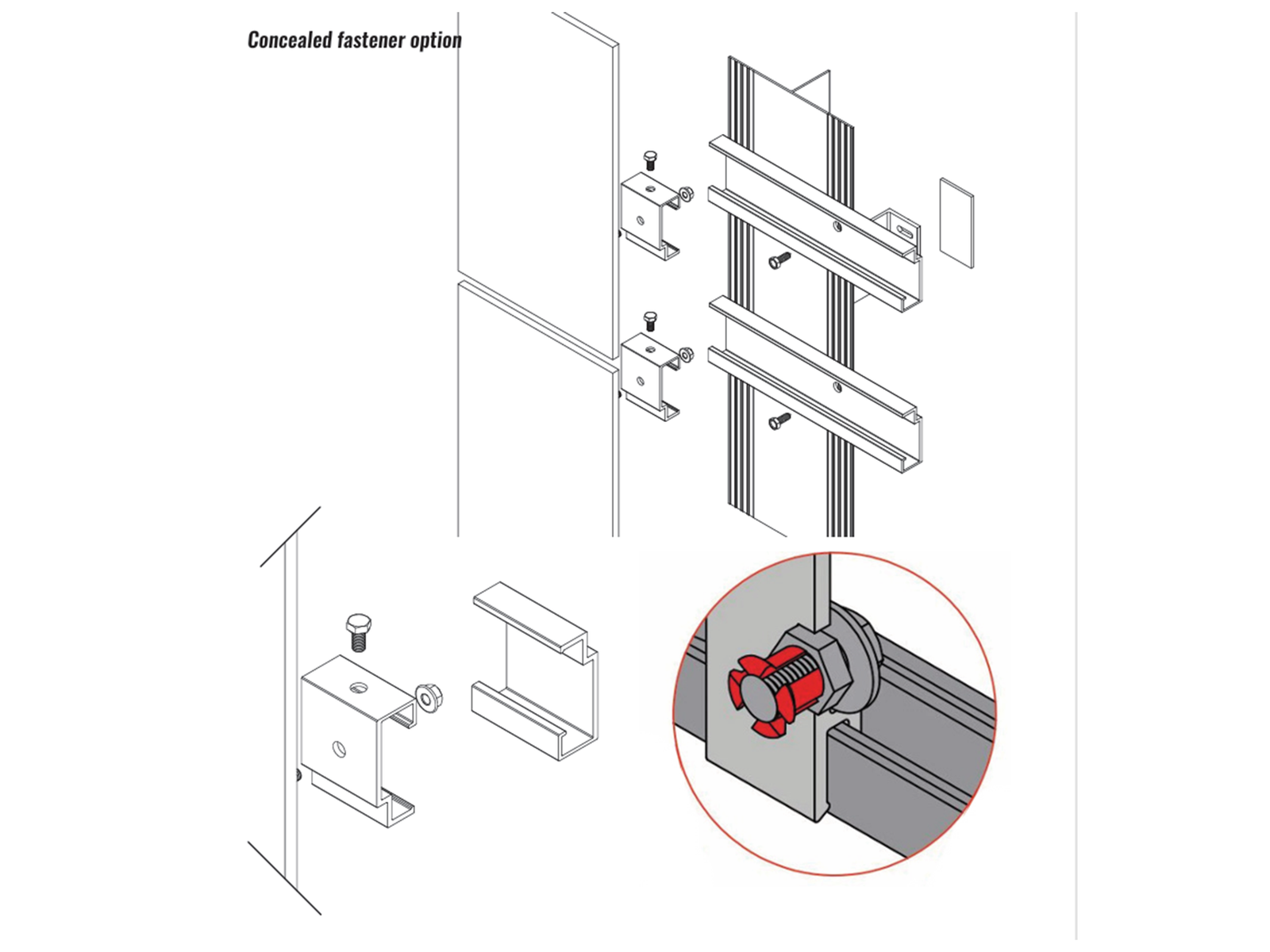
Concealed fastener option
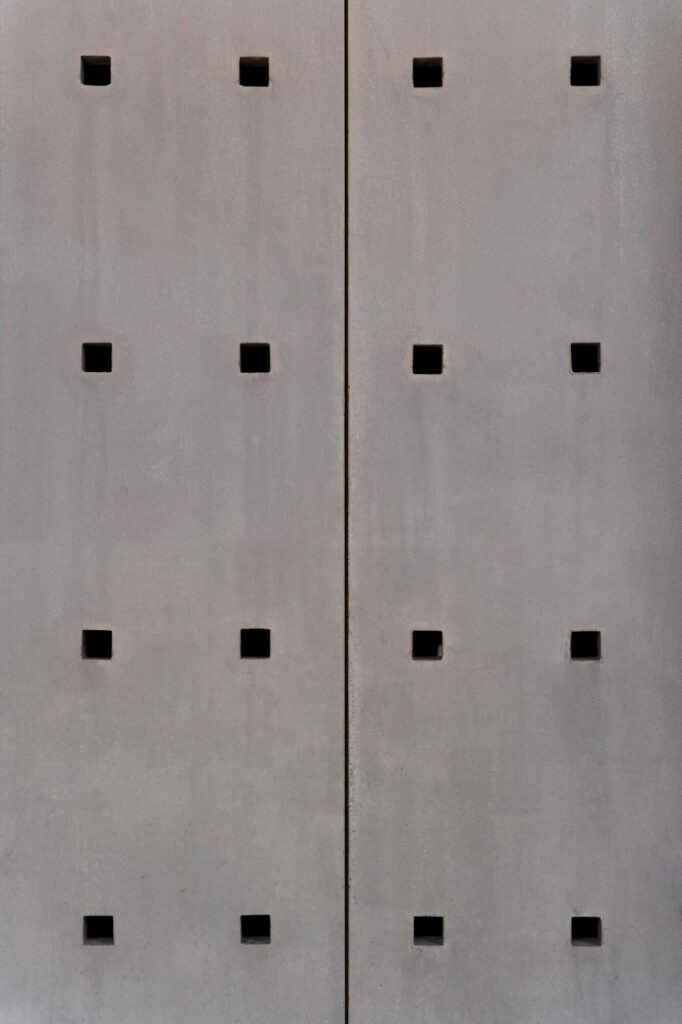
Our system ensures expansion-free and concealed fastening. From small to large, light to heavy: all common panel materials receive an undercut with a precise and consistently symmetrical shape. You drill cylindrically and then undercut conically in a single operation with just one tool.
To install the undercut anchor, insert it into the drilled hole and secure it with a screw. The coordinated system ensures controlled positioning of the anchor: anchor, plate holder, and serrated locking screw with integrated screw locking mechanism
Receiving, Offloading, and Inspecting Crates
Correct handling of crates during delivery and offloading is essential to protect materials and ensure a smooth installation process. The following guidelines outline the recommended procedures for receiving, unloading, and inspecting crates upon arrival.
Receiving Crates
Ensure that the delivery location can accommodate a full-size truck or trailer. Drivers typically provide 24-hour notice, but unloading remains the responsibility of the receiving party. Upon arrival, review the bill of lading, check the condition of each crate, and record any visible damage or irregularities on the document before the driver leaves.
Inspection of Crates and Materials
Carefully inspect all crates for dents, punctures, deformation, or damage to wrapping and corner protection. Open crates to verify quantities and inspect each panel for cracks, chips, discoloration, or defects. Photograph any issues, note them on the bill of lading-along with the driver’s name-and submit the documentation for reporting and claim processing when required.
Offloading Crates
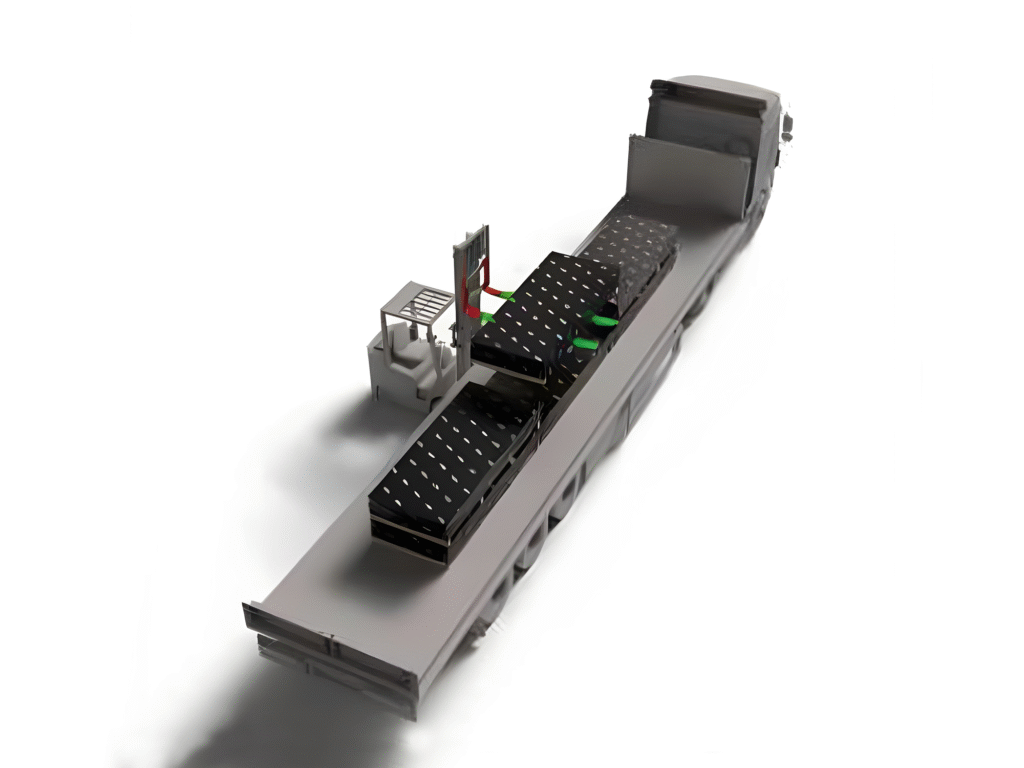
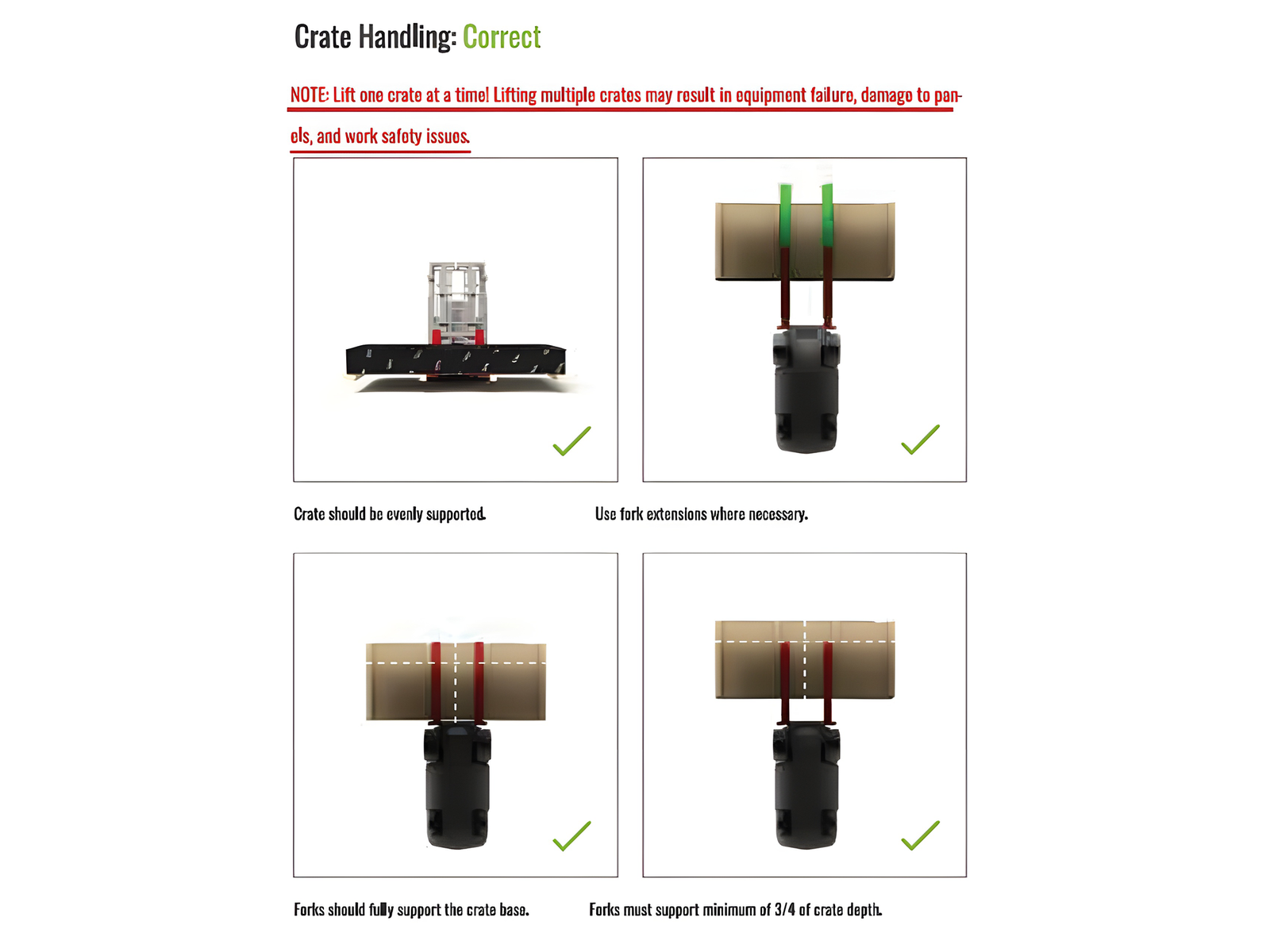
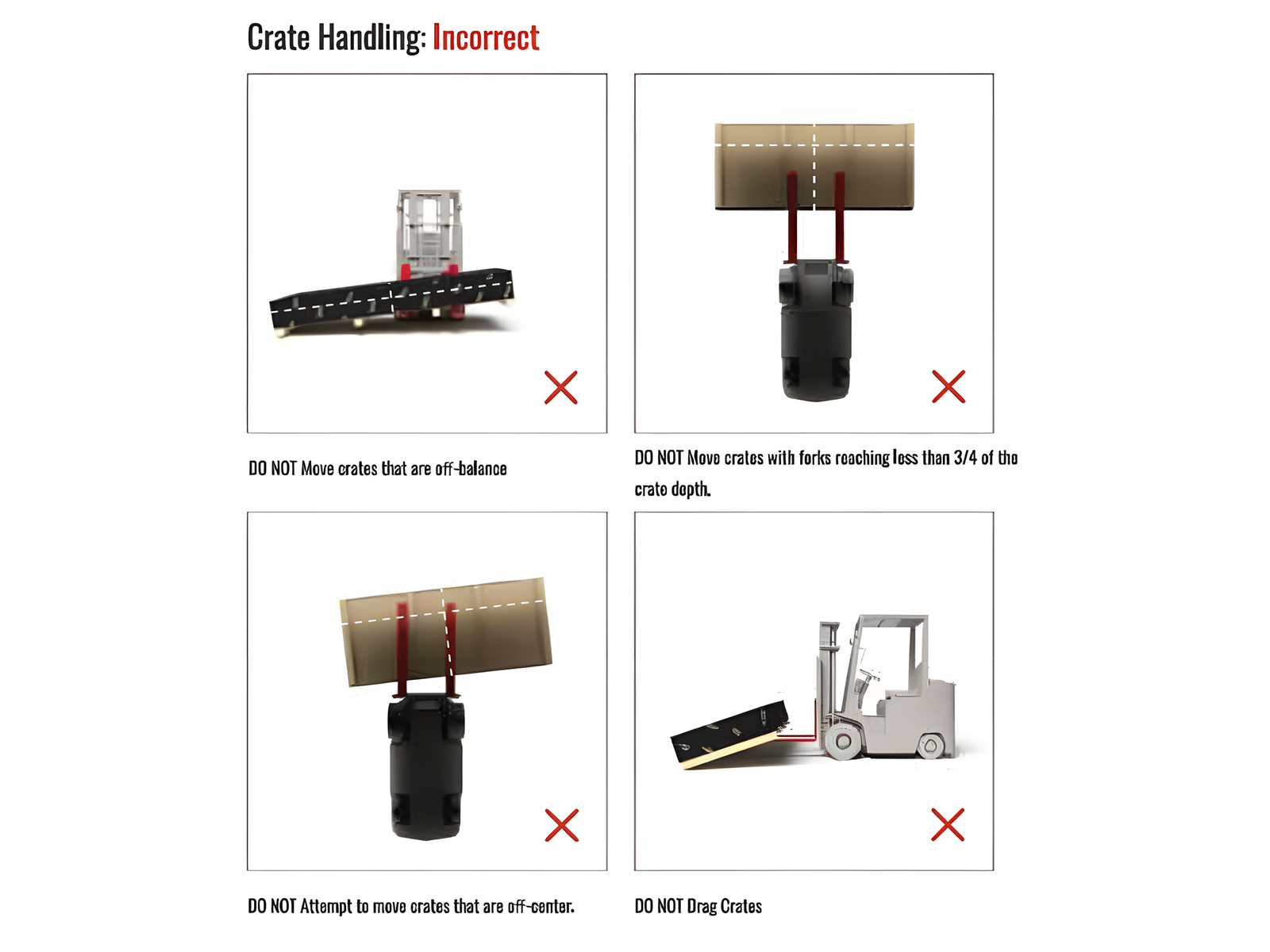
Use forklifts or pallet jacks to lift crates safely. Avoid dragging, pushing, or pulling crates. Ensure the forks fully support the crate-fork extensions should be used when needed. Store crates on a level, dry, and stable surface, free from standing water or direct expo-sure to harsh environmental conditions.
Important: Inadequately supported or unevenly stored crates may cause panel defor-mation over time.
Key Considerations
Store crates in a dry, well-ventilated area, away from rain, mud, unstable soil, humidity, and standing water. Do not stack crates to avoid material crushing or deformation.
Report any discrepancies or damages within 24 hours of delivery for resolution.
Panel Handling and Storage
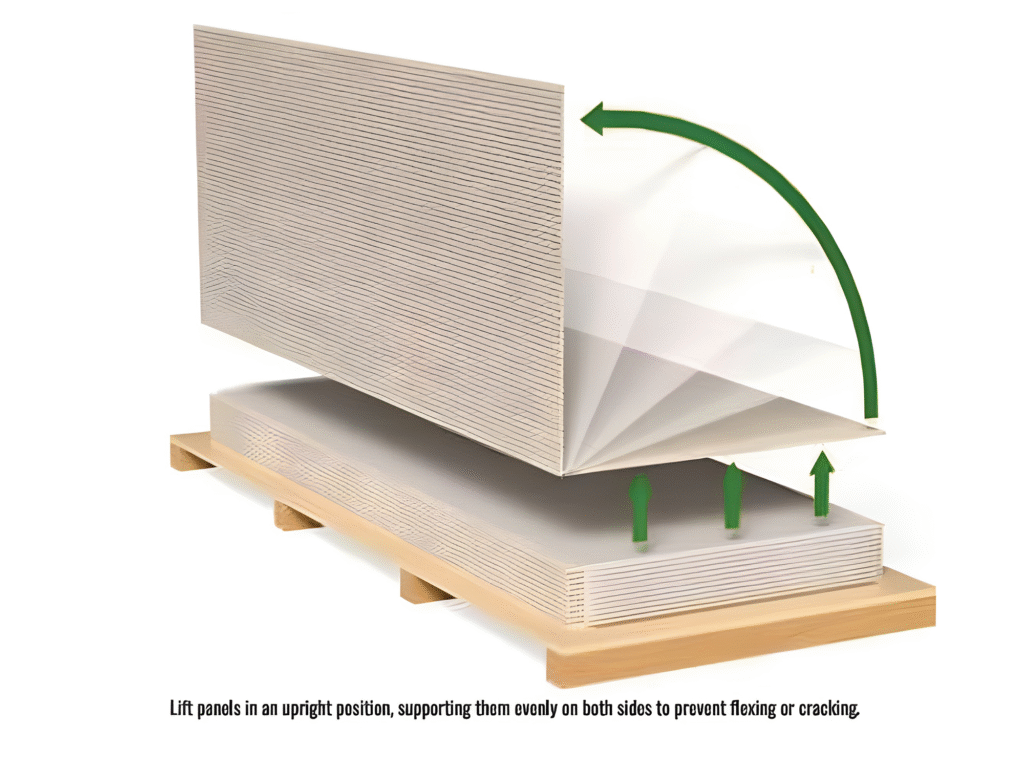
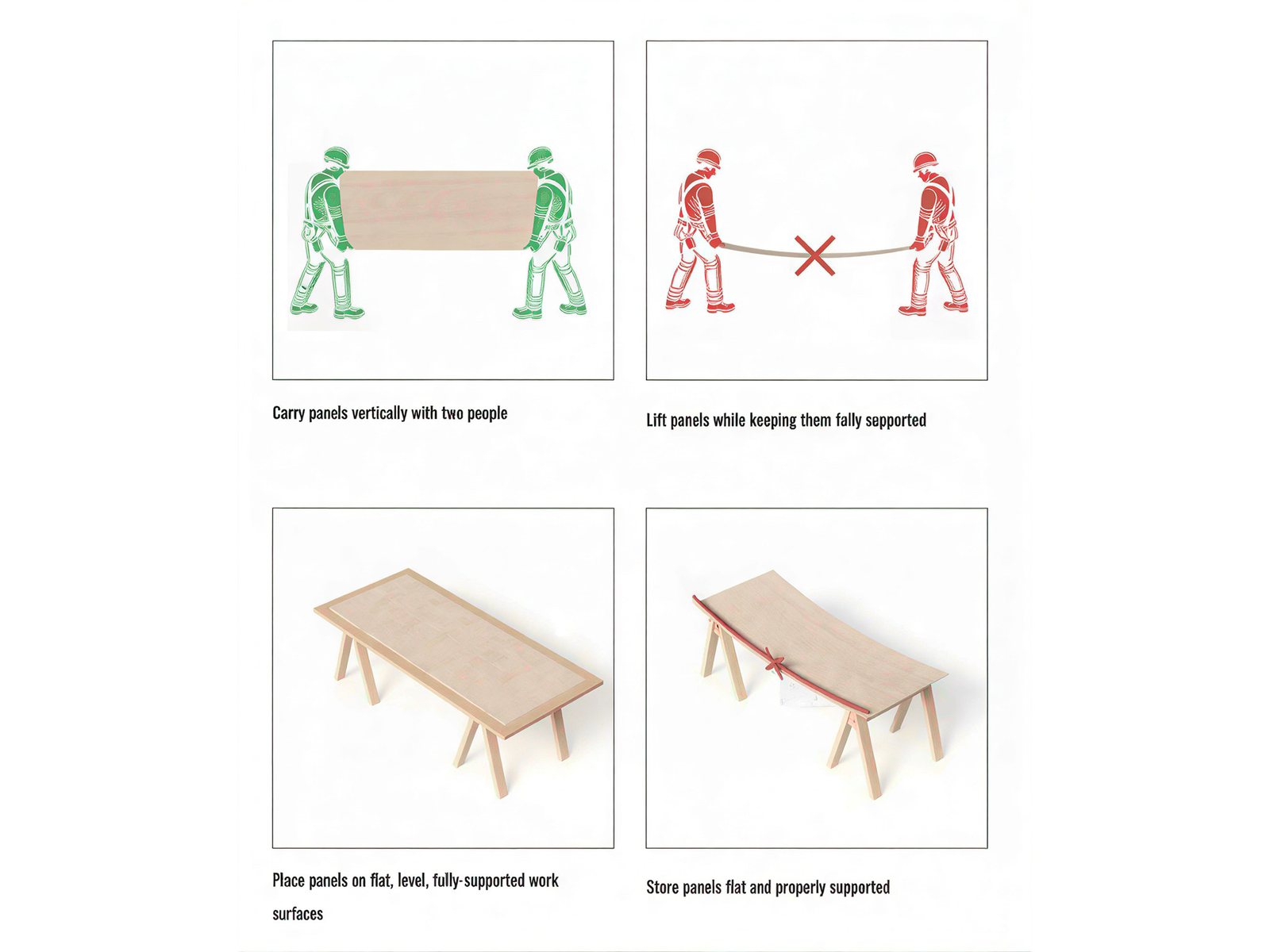
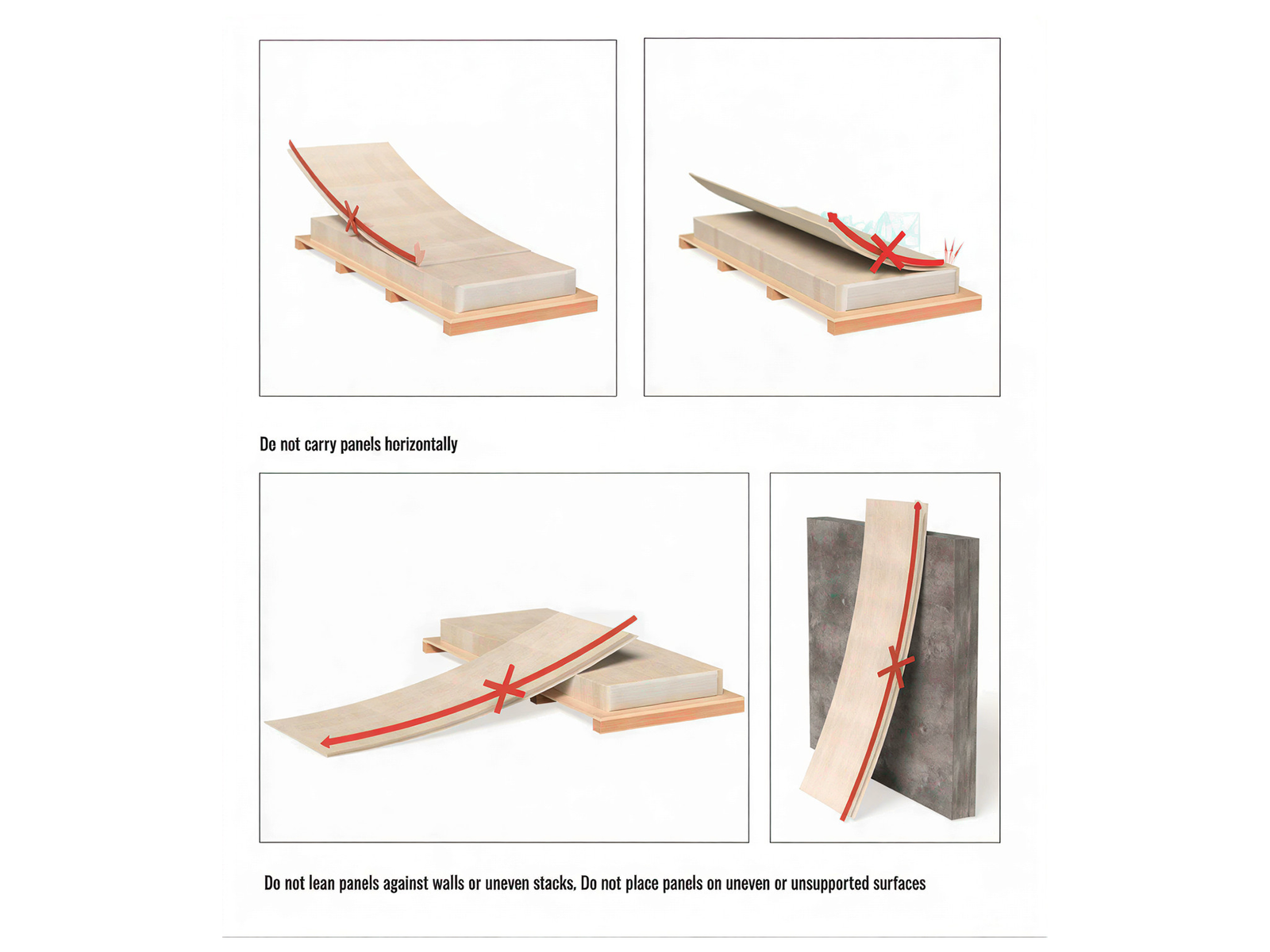
Always lift fiber cement panels vertically with two people to distribute weight and prevent bending or stress fractures. Wear clean gloves to avoid transferring oils, dirt, or contaminants onto the Ensure all contact surfaces are clean, smooth, and free from abrasive materials. Never drag panels across the ground or other panels, as this can cause scratches or chips. For larger or heavier panels, use appropriate mechanical lifting tools such as panel lifters, padded clamps, or lifting frames to ensure safe handling without stress on the material.
Work Surface Preparation
A stable and well-supported work area is essential for proper cutting and fabrication. Use a flat, level, and sturdy table that fully supports the entire panel. Cover the surface with non-abrasive padding such as rubber mats or foam sheets to prevent surface damage. Secure the panel in place using clamps or non-slip materials, and avoid placing pressure on unsupported edges to prevent cracking. Keep tools, materials, and finished panels organized in designated zones to avoid contamination or accidental damage. Ensure the workspace is well-lit for accurate visibility of cutting lines and drill points.
Panel Storage
Store panels on a clean, dry, level, and flat surface. Elevate stacks on pallets or supports to keep them off the ground and protect them from moisture. For short-term vertical storage (less than 24 hours), ensure panels are fully supported along their entire height and secured to prevent tipping. Avoid stacking panels too high to prevent excessive weight from deforming the panels at the bottom of the stack. Protect stored panels with breathable tarps, not plastic sheets, to prevent moisture buildup and condensation. Keep panels away from direct sunlight, water, mud, and humidity.
Important Notice: Fiber cement panels contain cement and aggregate and must not be bent. They are not plywood and will crack if subjected to flexing or uneven pressure.