
Ceramic Tile Cladding
Ceramic and porcelain tile cladding systems are ventilated rainscreen façades that use dry mechanical fixing to support durable, large-format tiles on an external wall assembly. The system is designed to provide long-term weather protection, controlled movement, and a high-quality architectural finish.
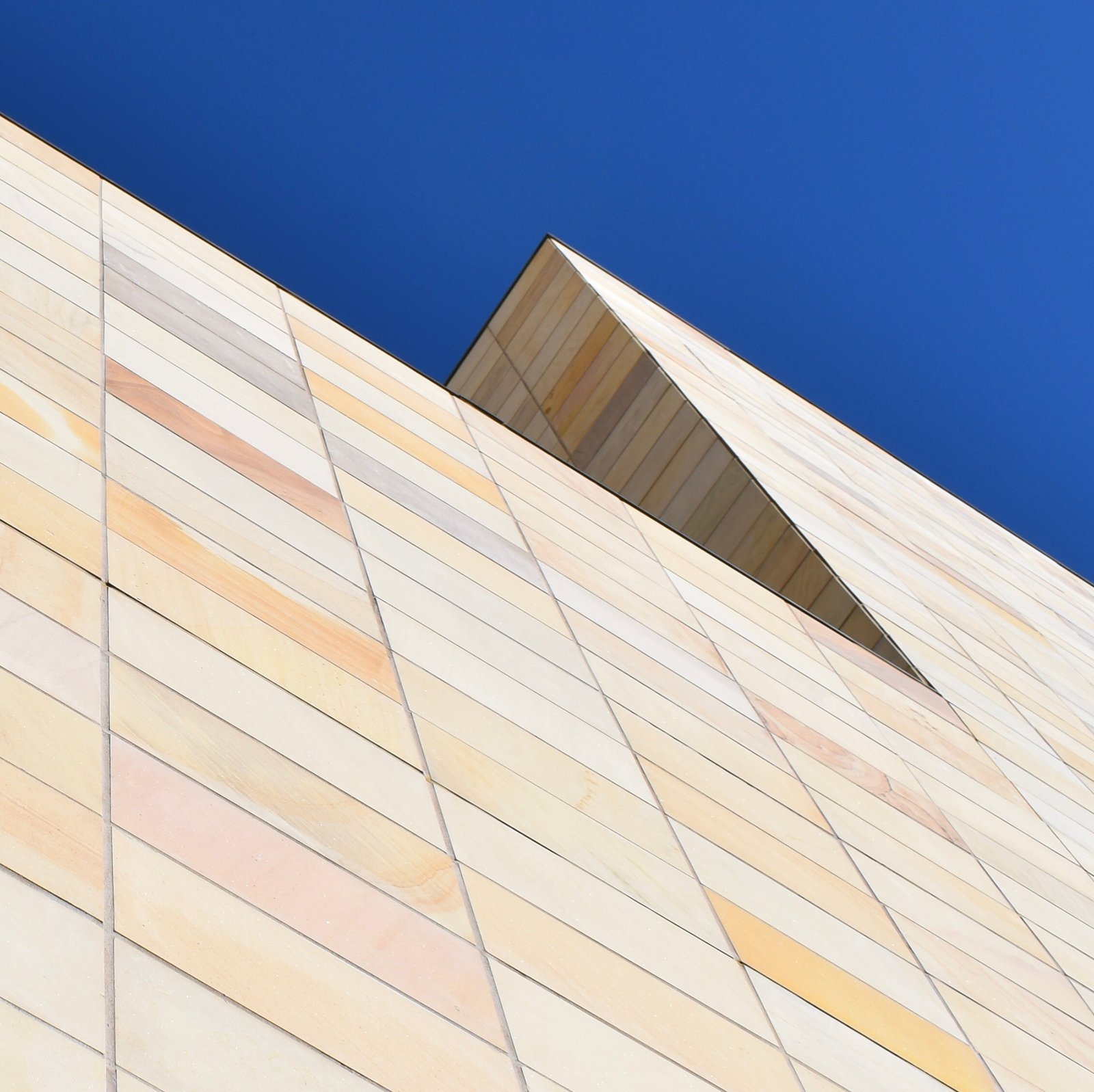
Ceramic Tile
Ceramic Tile Cladding Façade System
A ceramic tile cladding façade system is a high-performance exterior wall solution using fired ceramic or porcelain tiles installed on a prepared substrate or ventilated substructure. The system enhances architectural aesthetics while delivering long-term durability, weather resistance, and low maintenance.
Components:
High-density ceramic or porcelain tiles with excellent resistance to moisture, UV exposure, chemicals, and wear.
Substructure:
Aluminum or galvanized steel framework providing structural support and precise panel alignment.
Ventilation cavity:
20–40 mm air gap allowing continuous airflow to reduce moisture accumulation and improve façade performance through the chimney effect.
Thermal insulation:
Mineral wool or rigid insulation boards improving thermal efficiency and acoustic comfort.
Fasteners:
Mechanical anchors, clips, or concealed fixing systems; adhesive bonding available for specific applications.
Ceramic Tile
What the System Is
This façade system consists of porcelain or ceramic tiles installed as an outer cladding layer, separated from the primary wall by a continuous ventilated cavity. Tiles are supported on an adjustable aluminum sub-structure fixed back to the building structure, allowing integration of insulation and weather-resistant barriers behind the cladding.
The ventilated cavity enables moisture drainage, pressure equalization, and drying of the wall assembly, while the dry-fix approach allows tiles to be installed, removed, and replaced without damage to adjacent units.
Fixing Concepts
Ceramic and porcelain tiles are mechanically fixed using concealed systems designed to accommodate tile size, thickness, and loading requirements.
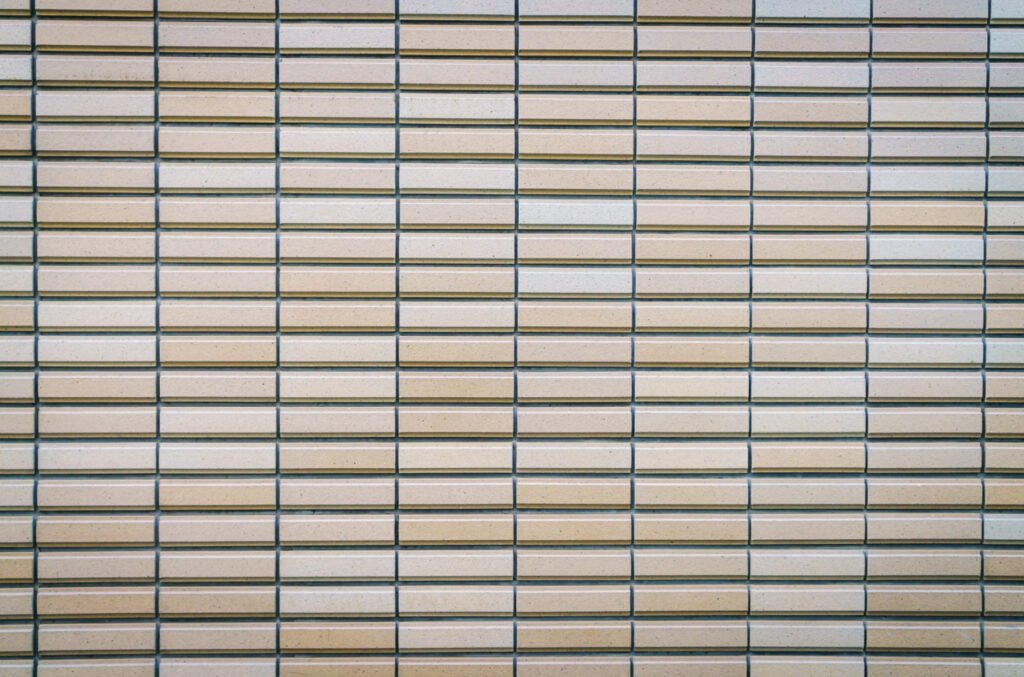
Edge-kerf clip systems
Tiles are machined with a continuous or point kerf along the edges. Stainless steel or aluminum clips engage with the kerf and connect back to vertical or horizontal rails. This method provides consistent alignment, concealed fixing, and ease of replacement.
Rear undercut anchor systems
For larger or heavier tiles, rear undercut anchors are installed into the back of the tile and connected to straps or rails fixed to the sub-structure. This approach allows high load capacity while maintaining a concealed fixing appearance.
Both systems are designed to support open-joint façade layouts and allow controlled movement of individual tiles.
Key Design Notes
This section highlights the critical design considerations that ensure the façade system performs as intended, including movement accommodation, ventilation and drainage of the cavity, tolerance management, ease of replacement, and alignment with recognised industry standards and good practice.
Ventilation & Drainage
The cavity behind the tiles must remain continuous from base to top of the façade to allow airflow, drainage, and pressure equalisation in line with ventilated rainscreen principles.
Movement Accommodation
The system must allow for thermal expansion of tiles and sub-structure, as well as building movement, without inducing stress in the cladding panels.
Tolerances & Alignment
Adjustable brackets and carrier rails are required to manage structural tolerances and ensure accurate façade alignment.
Replaceability & Maintenance
Fixing systems are designed to permit individual tile removal without disturbing adjacent panels, supporting long-term maintenance strategies.
Standards & Compliance
The system design should align with recognised ventilated façade guidance, including CWCT standards and ETAG 034 principles for ventilated cladding kits.
Ventilated Facades Overview
A ventilated facade, or rainscreen system, is a high-performance cladding solution designed to regulate temperature, manage moisture, and protect buildings from environmental damage. The system includes an outer cladding, an air cavity, supporting sub-framing, and continuous exterior insulation for enhanced thermal performance. SASHCO High-Density Fiber Cement panels form the external cladding layer, providing durability and design flexibility.
Ventilated Cavity Functionality
Cavity ventilation a key feature of the system, ensures that the air flows continuously between the cladding and the framing installation layer. Air enters through lower openings and exits through upper ones, as a result of the “chimney effect”. This process dries out the cavity, protecting the panels and mitigating moisture
penetration. Proper cavity design also helps regulate temperature and equalize pressure changes caused by wind.
Design Requirements
Unobstructed Airflow: Keep the cavity clear of restrictions caused by insulation or debris. Insulation must be securely installed to prevent deformation that could block airflow.
Ventilation Openings: Base and top openings must allow sufficient airflow. Anti-intrusion grilles may be used, provided they do not restrict ventilation.
Partitions: Horizontal and vertical partitions may compartmentalize airflow for fire management, but must not block circulation.
Benefits of Ceramic Tile Cladding
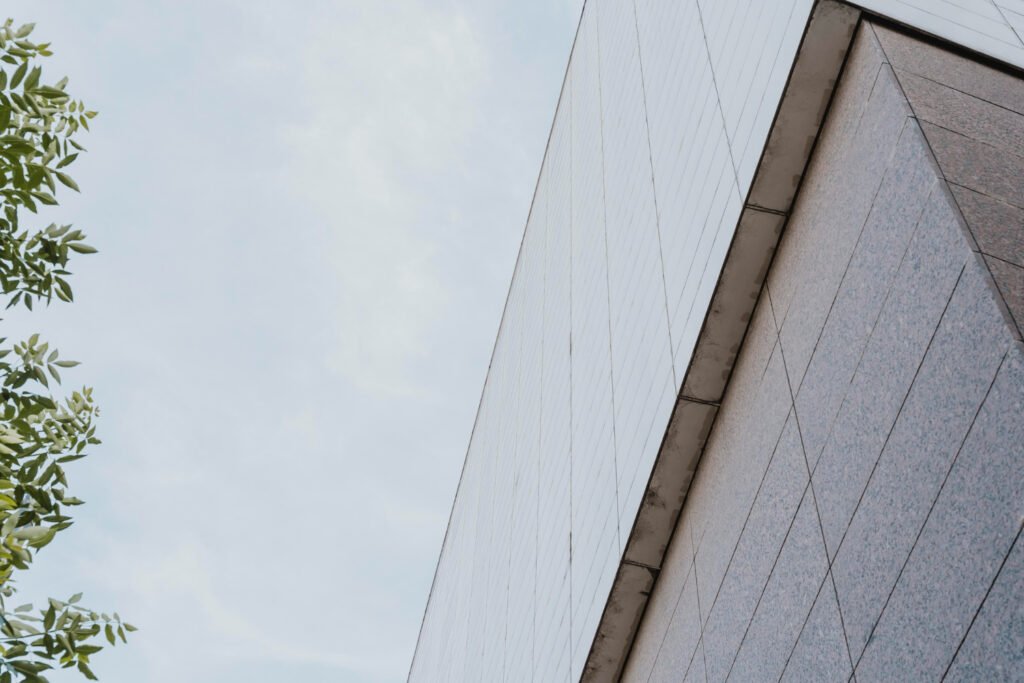
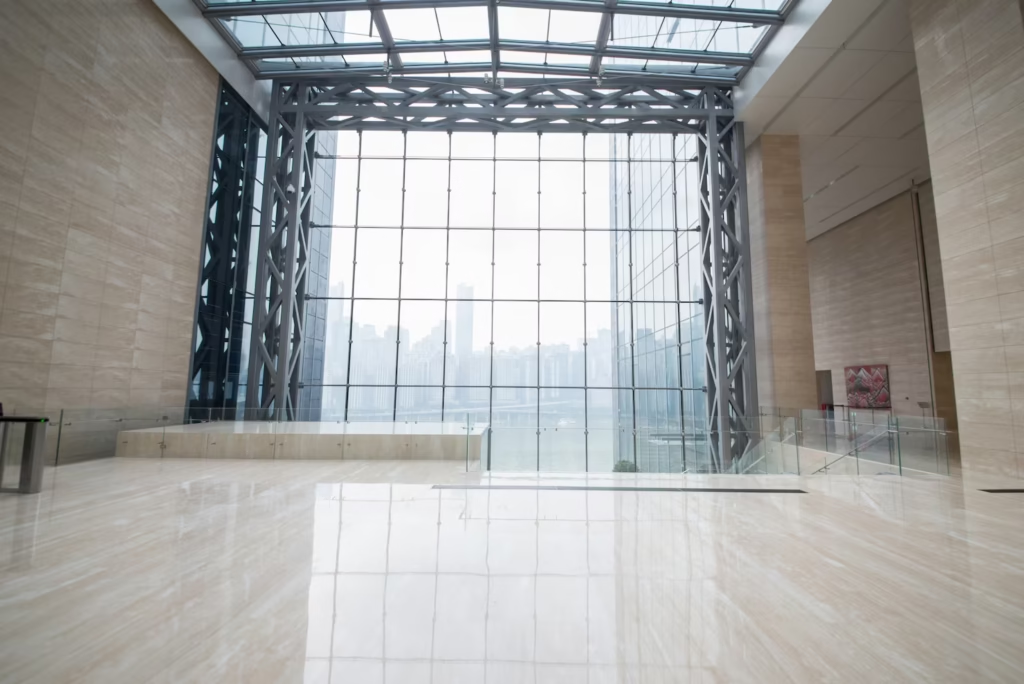
Ceramic tile cladding offers a durable and versatile façade solution that combines aesthetic flexibility with long-term performance. The material provides excellent resistance to weather, moisture, UV exposure, and temperature variations, making it suitable for both exterior and interior applications.
Ceramic tiles are non-combustible and contribute to improved fire safety, while their low water absorption helps protect the building envelope from moisture-related damage. The cladding system enhances thermal and acoustic performance, supports energy efficiency, and reduces maintenance requirements over time.
With a wide range of colors, textures, and finishes, ceramic tile cladding allows architects and designers to achieve distinctive visual effects without compromising durability. Its long service life and resistance to fading, staining, and wear make it a cost-effective and sustainable choice for modern construction projects.
Surface Finishes
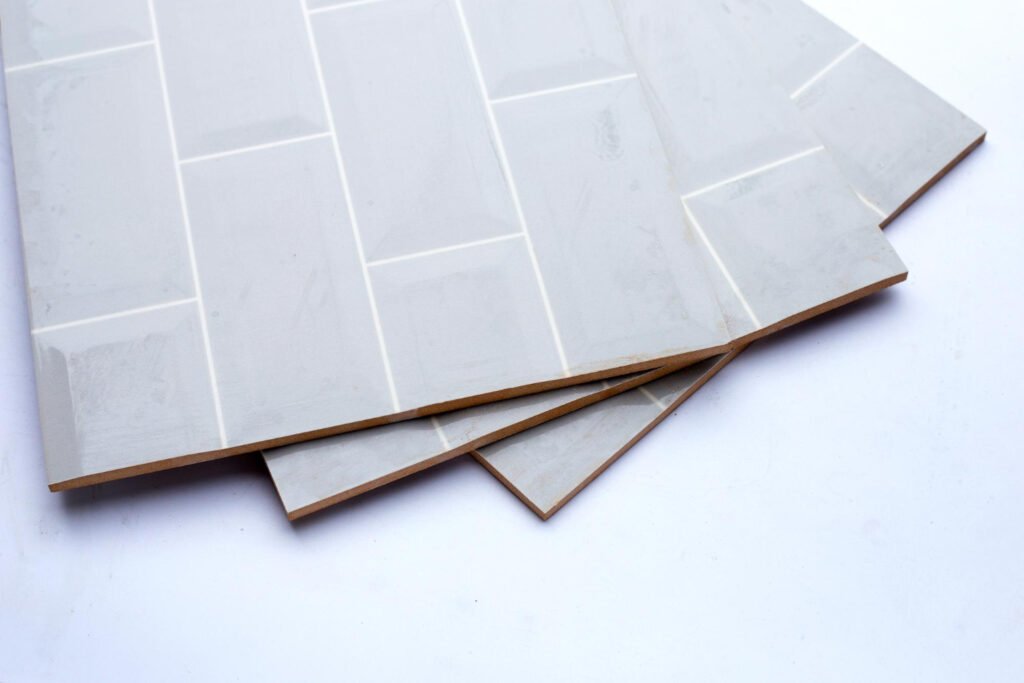
Ceramic tile cladding is available in a variety of surface finishes to support different architectural styles and functional requirements.
Natural: Provides a refined, stone-like appearance with subtle texture variations for a timeless and organic look.
Solid: Features uniform color and smooth surfaces, ideal for clean, minimalist architectural designs.
Matt: Offers a non-reflective, elegant finish that reduces glare and suits contemporary façade applications.
Sand: Delivers a fine granular texture that enhances slip resistance while maintaining a natural aesthetic.
Lines: Incorporates linear surface grooves to create visual rhythm, depth, and a dynamic façade expression.
Installation instructions
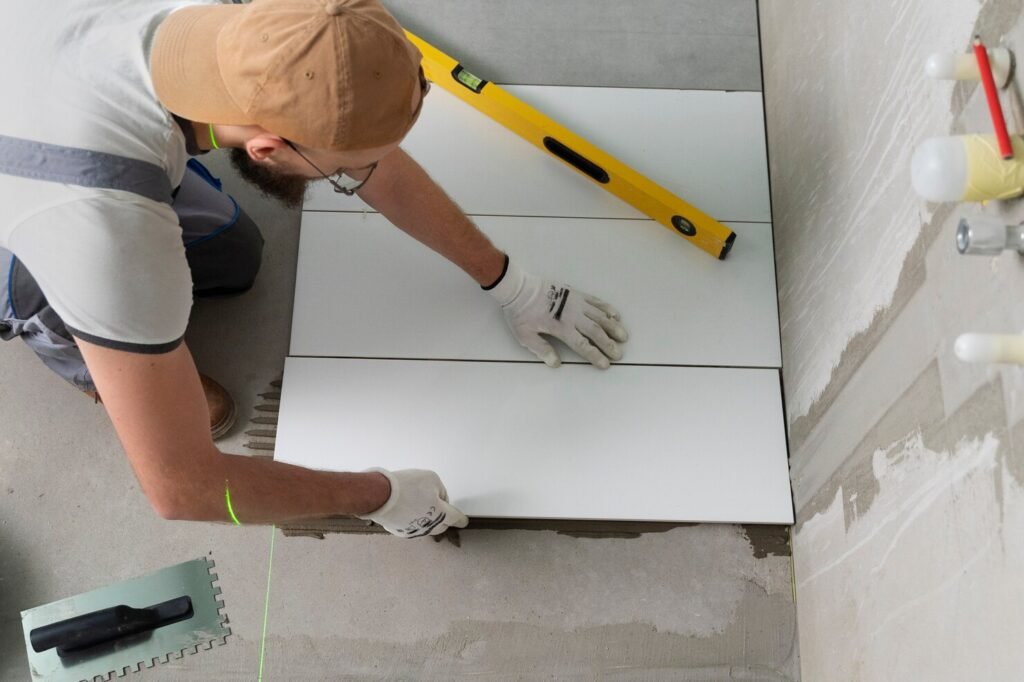
Ceramic tile cladding systems can be installed using either mechanical fixing or adhesive bonding, depending on project requirements, building height, and design intent.
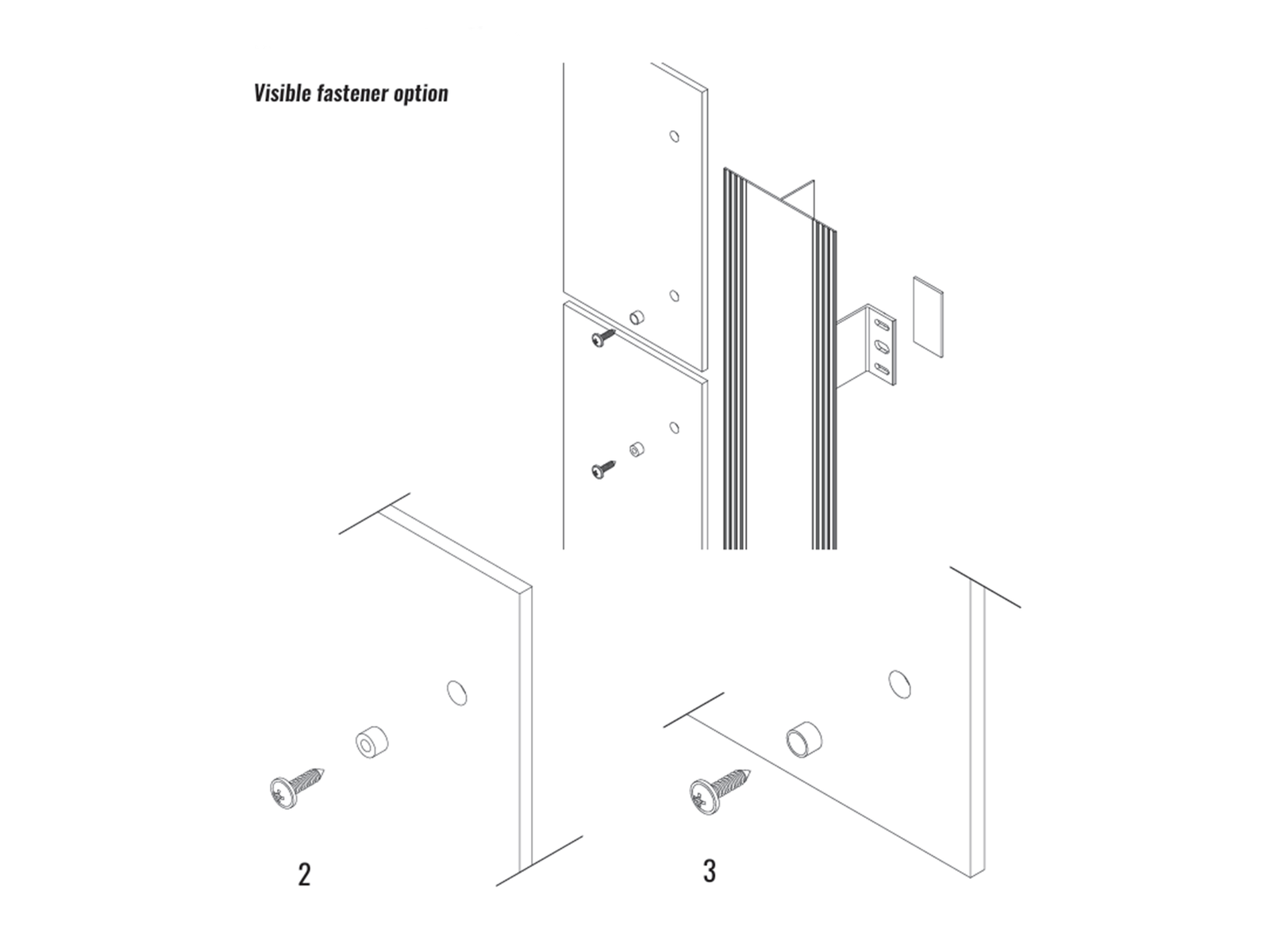
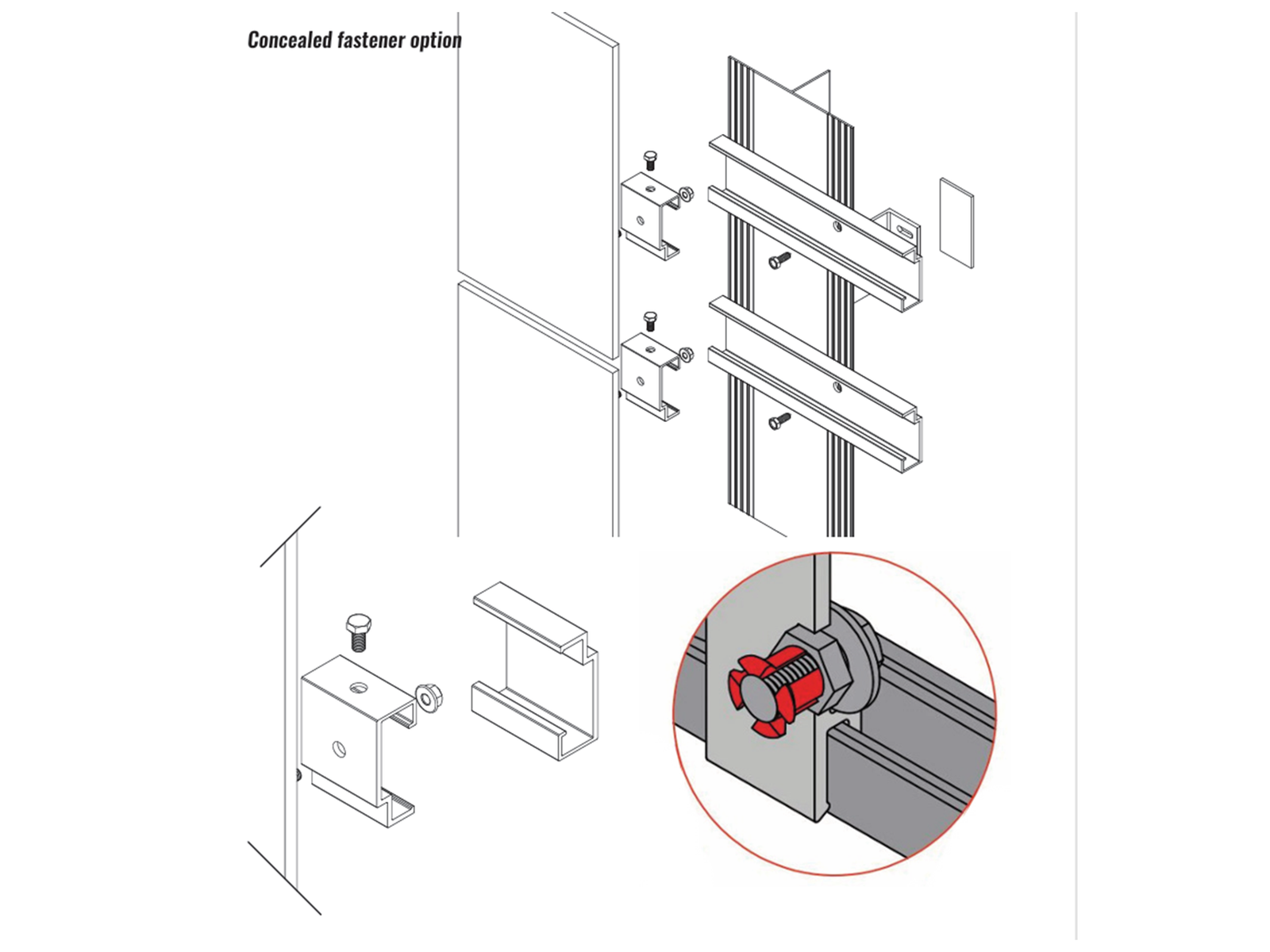
The mechanical fixing system utilizes an aluminum sub-structure with concealed or visible anchors to securely support the tiles. This method is commonly used for ventilated façade applications, allowing airflow behind the cladding and ensuring long-term structural performance.
The adhesive bonding system employs high-performance tile adhesives applied to a properly reinforced substrate. This approach is suitable for interior installations and low-rise exterior applications where mechanical fixing is not required.
Installation instructions
Installation Steps Overview
Installation typically begins with surface preparation to ensure a clean, level, and stable base. Where required, a sub-frame is installed and aligned accurately. Tiles are then positioned, aligned, and fixed according to the selected installation method. Joints are treated to achieve the desired aesthetic and performance, followed by a final inspection to confirm alignment, fixing integrity, and overall finish quality.
Drilling, Cutting, and Processing
Ceramic tiles can be drilled and cut using diamond cutting tools, CNC machining, or water-jet cutting to achieve precise dimensions and detailing. During processing, appropriate dust extraction should be used, manufacturer guidelines must be followed, and excessive vibration during drilling should be avoided to prevent cracking or edge damage.
Fixing, Checking, and Inspection Details
- Quality control during installation ensures long-term performance and safety.
- Verify substructure alignment, spacing, and load-bearing capacity prior to installation.
- Use approved fixing systems, anchors, and fasteners compatible with ceramic materials and environmental exposure.
- Maintain correct fixing positions and edge distances as specified by the manufacturer.
- Allow for thermal movement and structural tolerances through appropriate joint design.
Panel Handling and Storage
Ceramic tile cladding panels should be handled with care to prevent chipping, cracking, or surface damage. Always lift panels using appropriate equipment and avoid dragging them across hard or abrasive surfaces.
Handling Guidelines
Ceramic tile cladding panels should be handled with care to prevent chipping, cracking, or surface damage. Always lift panels using appropriate equipment and avoid dragging them across hard or abrasive surfaces.
- Handle panels vertically whenever possible to reduce flexing and stress.
- Use protective padding or spacers during transport to prevent edge impact.
- Avoid direct contact between panel faces to reduce the risk of abrasion.
- Inspect panels upon delivery and before installation for any visible damage.
Storage Recommendations
Panels must be stored in a clean, dry, and stable environment until installation. Improper storage conditions can lead to moisture-related issues or physical damage.
- Store panels on flat, level surfaces with adequate support along their length.
- Protect panels from moisture, dirt, and construction debris.
- If covered, ensure sufficient air circulation to prevent condensation buildup.
- Do not stack panels beyond the manufacturer’s recommended limits.
Following these handling and storage practices ensures ceramic tile cladding panels remain in optimal condition, supporting a smooth installation process and long-term performance of the cladding system.