
Terracotta Cladding
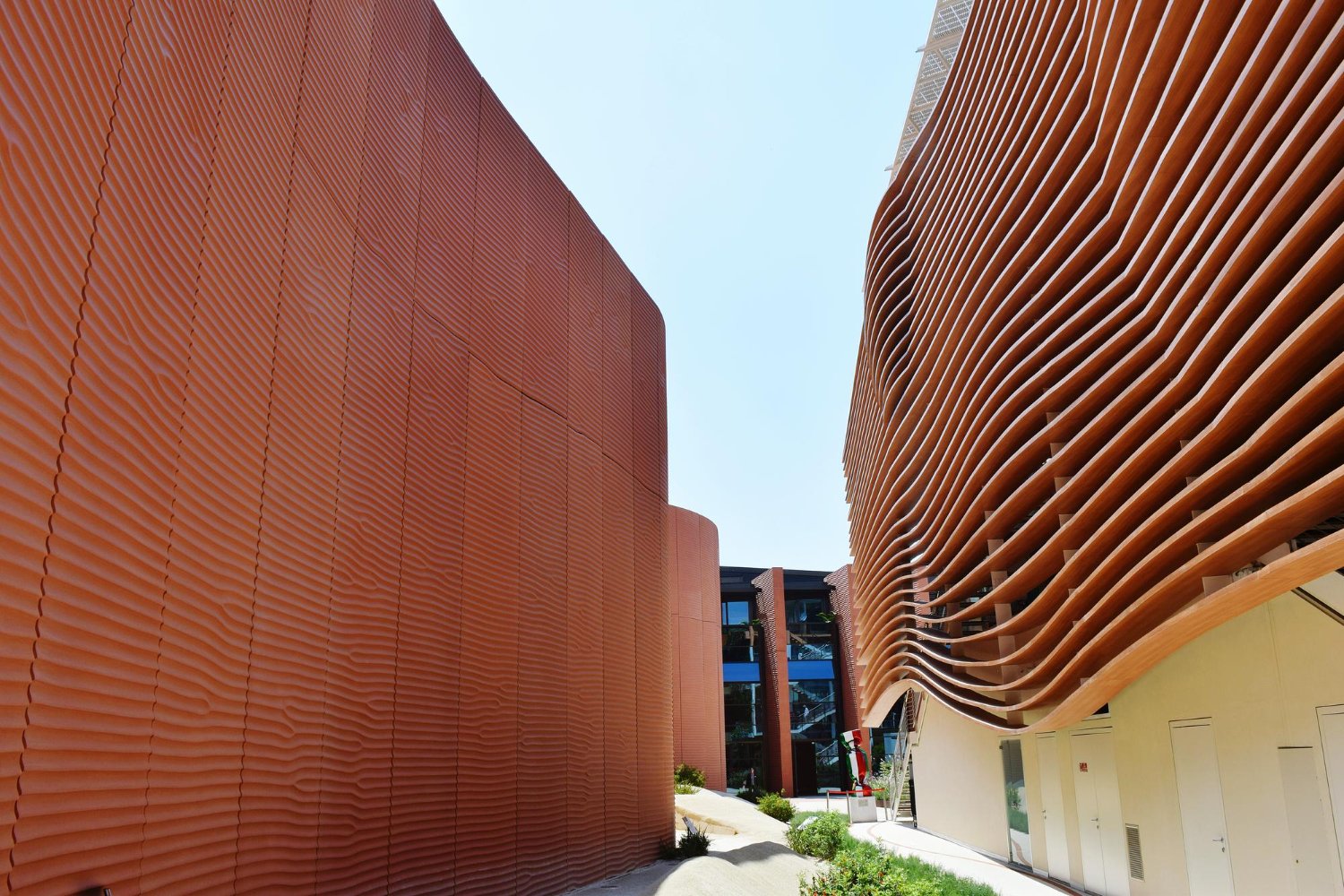
Terracotta cladding systems are ventilated façade solutions formed from extruded fired-clay elements, installed as a rainscreen over an adjustable support structure. These systems combine material longevity with a naturally varied architectural appearance.
Terracotta Cladding
Terracotta Rainscreen Façade System
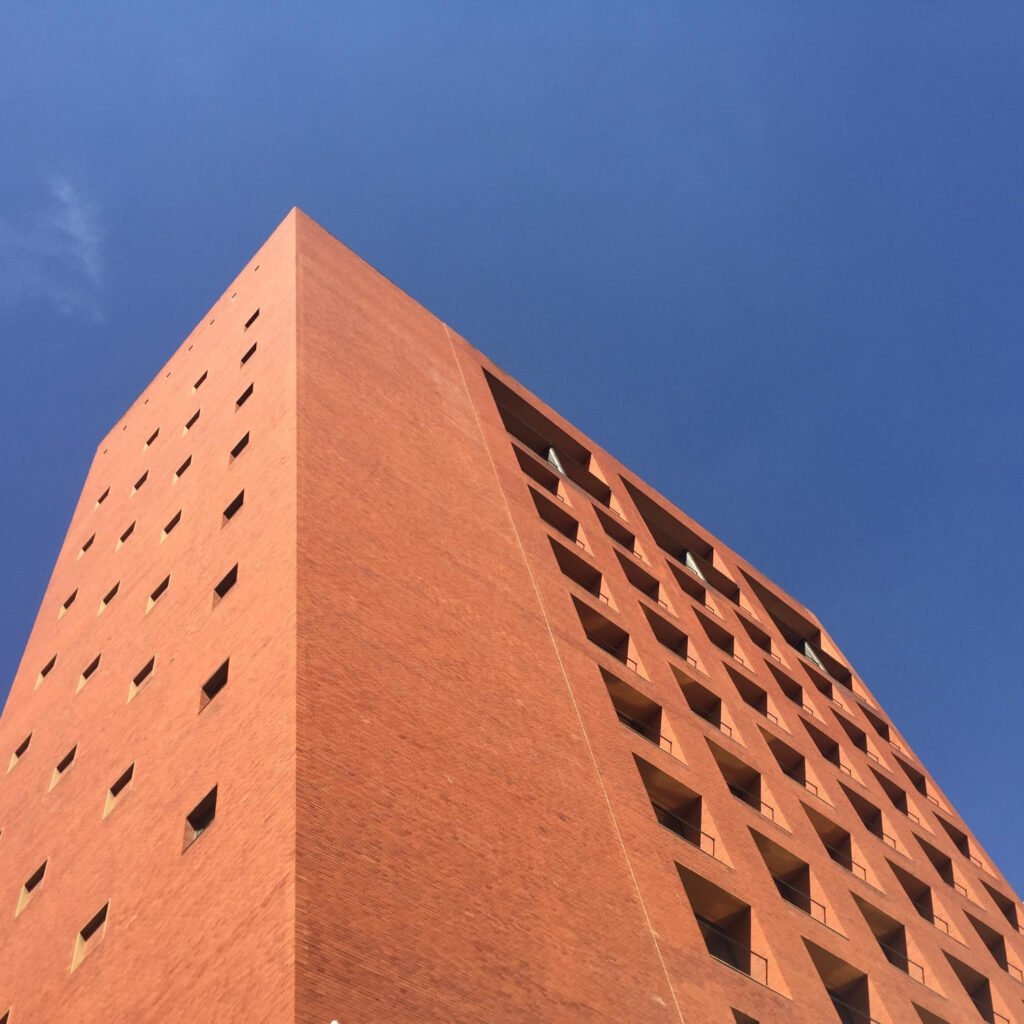
The Terracotta Rainscreen Façade System is an advanced external wall solution that combines aesthetics with functionality. Installed as a ventilated façade, it creates a cavity between the cladding and the building envelope, improving thermal insulation, moisture control, and overall building longevity.
Terracotta panels:
Natural fired clay panels offering durability, color stability, UV resistance, and non-combustible performance.
Substructure:
Aluminum or galvanized steel framework supporting the panels and reducing wind-driven rain penetration.
Ventilation cavity:
20–40 mm air gap enabling continuous airflow through the chimney effect, preventing moisture buildup.
Thermal insulation:
Mineral wool or rigid insulation boards improving energy efficiency and indoor comfort.
Fasteners:
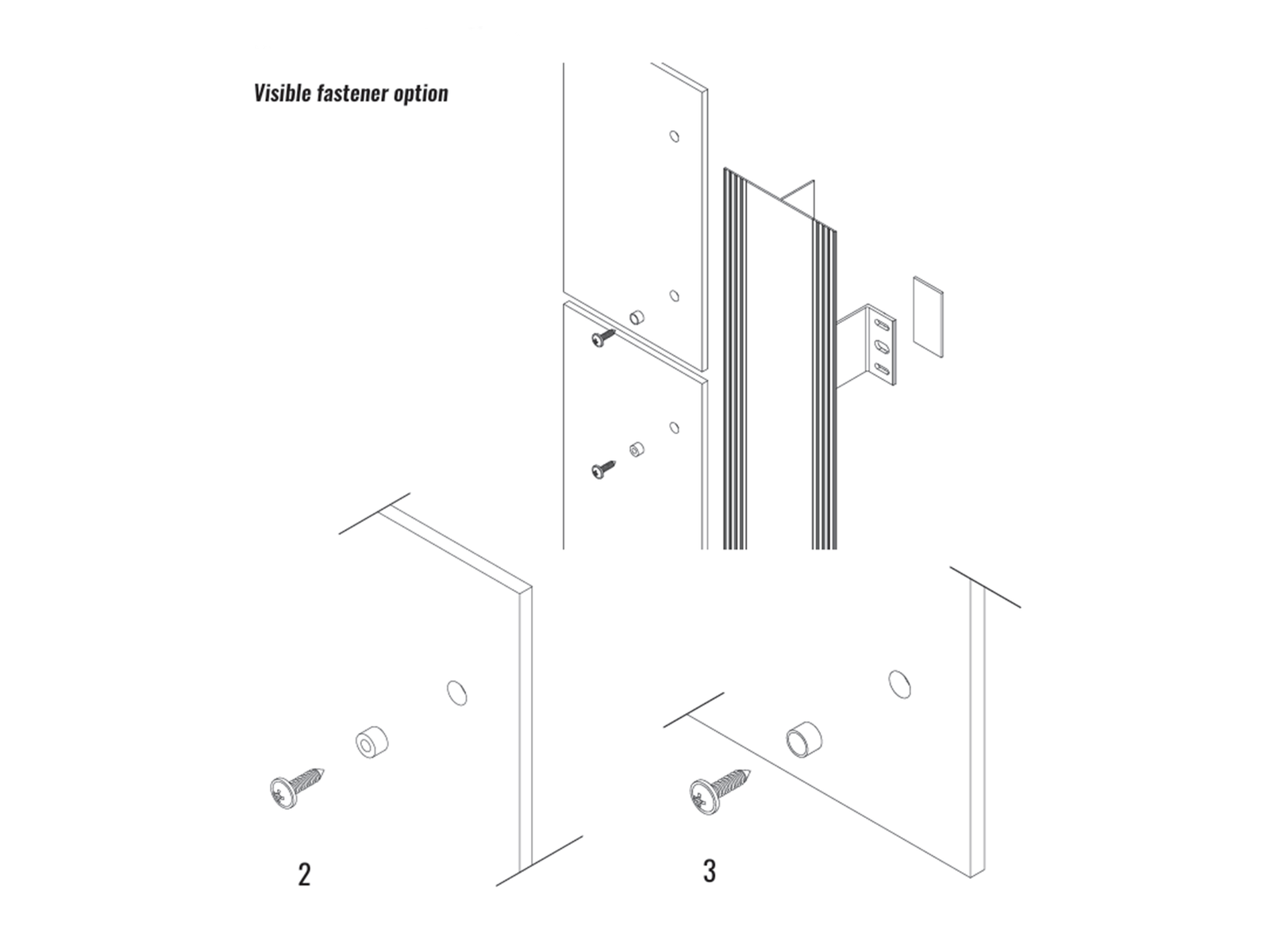
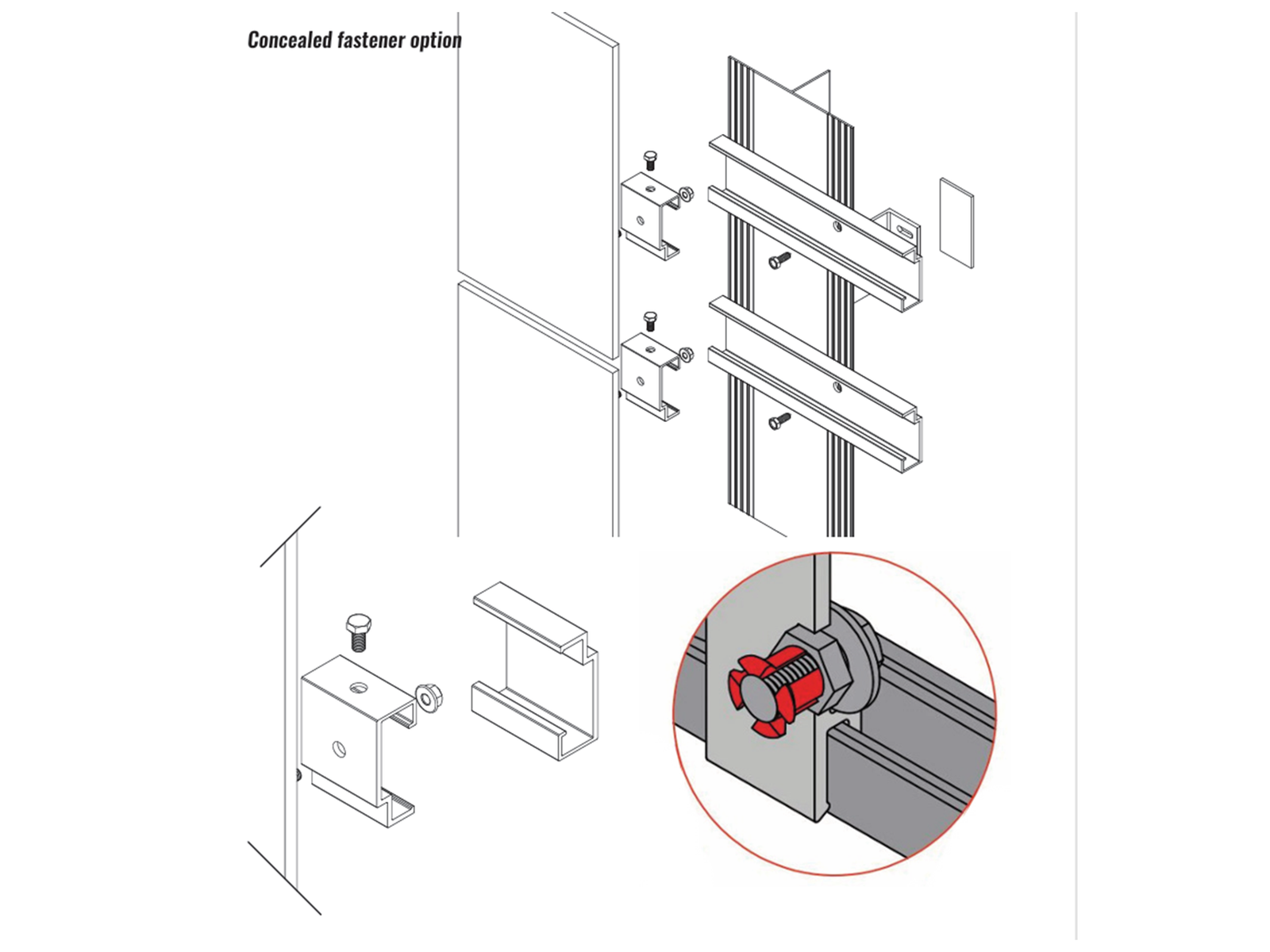
Mechanical fixing systems including visible clips or concealed anchoring solutions, depending on design requirements.
Terracotta Cladding
What the System Is
Terracotta façades consist of extruded clay tiles, planks, or panels mounted onto an aluminum sub-structure fixed back to the building envelope. A continuous air cavity is maintained behind the cladding to enable ventilation, moisture control, and long-term durability of the wall assembly.
As a fired ceramic material, terracotta offers inherent resistance to weathering and color stability, with natural tonal variation that contributes to the character of the façade.
Fixing Concepts
Terracotta elements are typically supported using proprietary clip, rail, or hook-based systems designed to suit the geometry and profile of the units.
Clip-and-rail systems
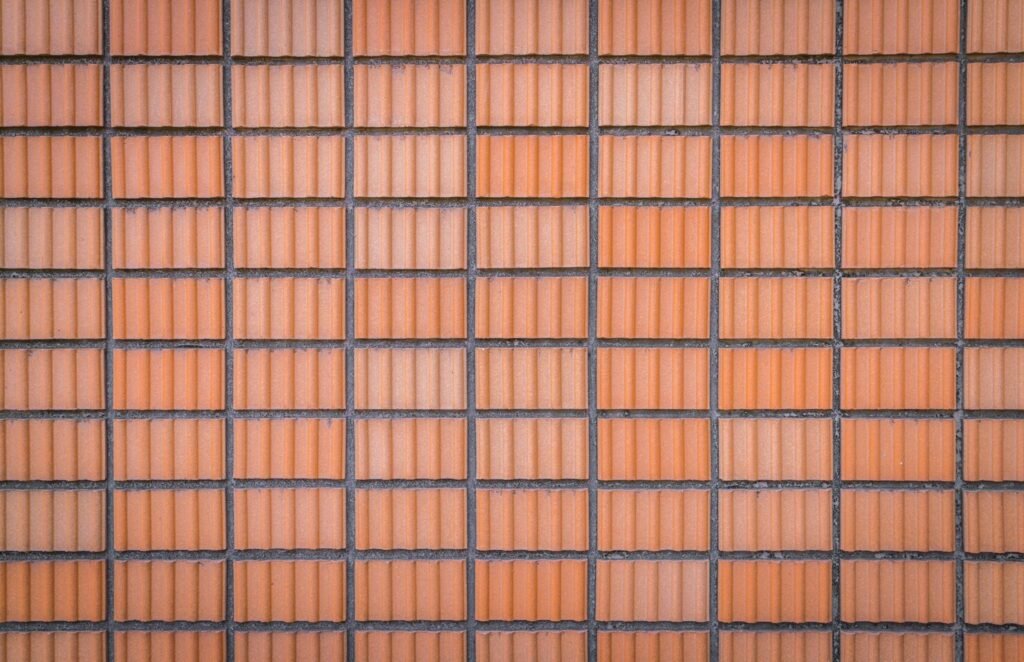
Terracotta tiles or planks are supported on horizontal rails using concealed clips that engage with the rear or edges of the units. This method allows precise alignment and consistent joint control.
Clamp and hook-on arrangements
Some systems use stainless steel clamps or hook mechanisms that mechanically support each unit while allowing free movement and individual replacement. These arrangements are commonly used for linear or large-format terracotta elements.
Fixing systems are selected based on unit size, orientation, and façade layout.
Key Design Notes
This section summarizes the essential considerations for designing and specifying the façade system, including ventilation, drainage, movement accommodation, tolerances, ease of panel replacement, and compliance with relevant industry standards.
Ventilation & Drainage
The air cavity behind terracotta panels must remain continuous to allow airflow, moisture drainage, and pressure equalisation, preventing condensation and water ingress.
Movement Accommodation
The fixing system must allow for thermal expansion and building movement to avoid cracking or stress in the panels.
Tolerances & Alignment
Adjustable brackets and rails ensure precise alignment and accommodate structural deviations.
Replaceability & Maintenance
Individual panels should be removable without disturbing adjacent units to support long-term maintenance.
Standards & Compliance
Design should follow CWCT and ETAG 034 guidance for ventilated façades and relevant national standards.
Material Characteristics
Terracotta panels are manufactured from high-quality natural clay and fired at high temperatures, producing a dense, durable material with excellent structural stability and long-term façade performance. The firing process ensures consistent color, high mechanical strength, and resistance to environmental exposure, making terracotta an ideal material for ventilated façade applications.
Water Resistance
Terracotta panels exhibit low water absorption due to their high-density firing process, effectively limiting moisture penetration and reducing the risk of staining, efflorescence, and surface degradation.
Fire Resistance
Terracotta is a non-combustible material and provides excellent fire resistance. The panels do not contribute to flame spread or smoke development, making them suitable for use in fire-rated façade systems.
UV Stability
The natural pigments within terracotta are permanently fired into the material, ensuring exceptional UV stability. Panel color and surface appearance remain unchanged even after prolonged exposure to direct sunlight.
Impact Resistance
The dense ceramic structure of terracotta panels offers strong resistance to mechanical impact, maintaining structural integrity and surface performance under demanding environmental conditions.
Freeze-Thaw Performance
Terracotta panels are engineered to withstand repeated freeze–thaw cycles without cracking, spalling, or delamination, ensuring reliable performance in extreme climates.
Panel Dimensions & Tolerances
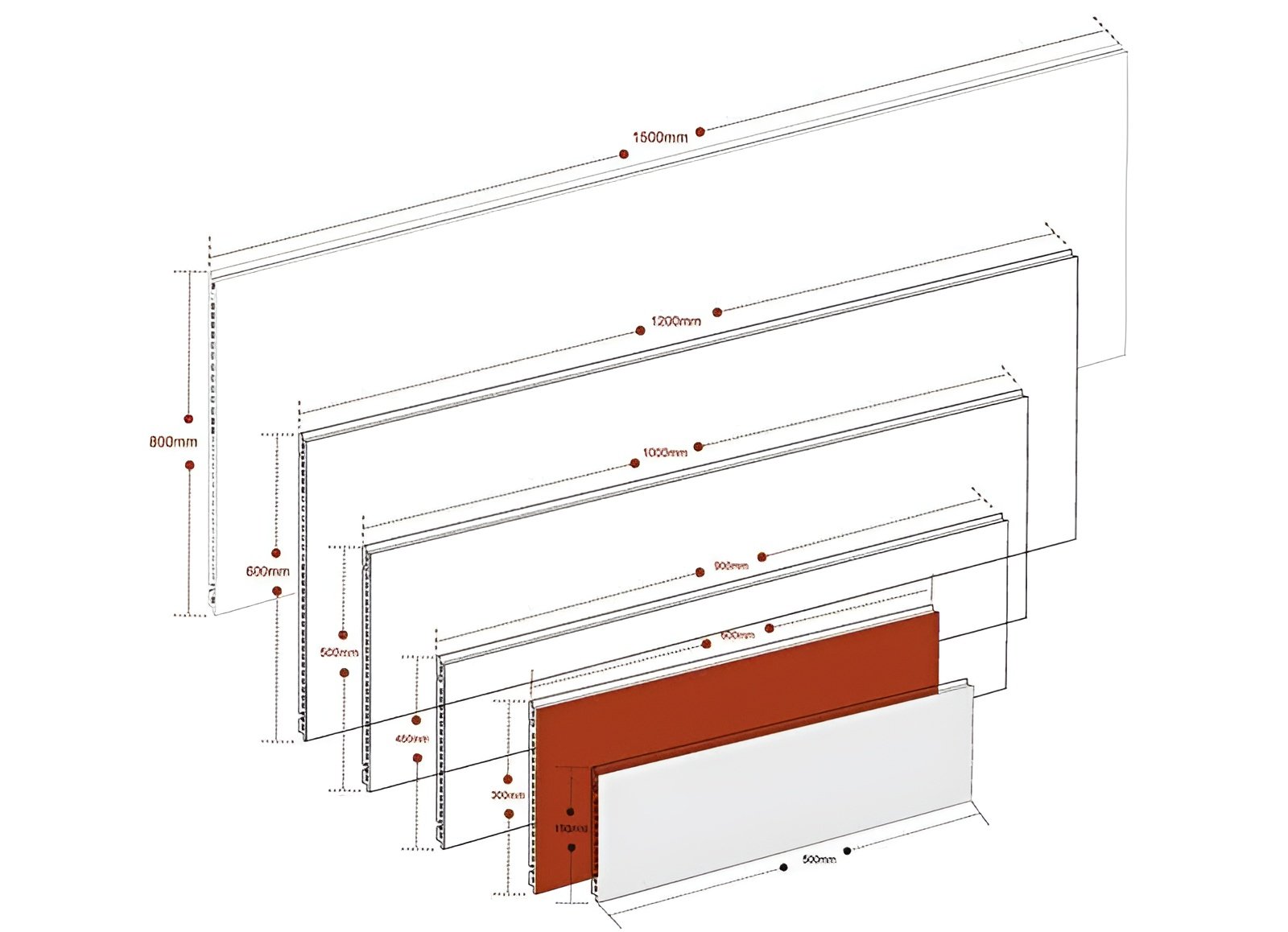
Terracotta cladding panels are available in a range of standard and custom sizes to meet diverse façade design requirements. Panel lengths and heights can be selected based on the chosen profile and system configuration, with multiple standard formats commonly used across projects. Thickness varies depending on whether the panels are solid, hollow, or extruded profiles.
Panels are manufactured with strict dimensional control to ensure reliable installation and consistent façade appearance. Typical manufacturing tolerances include a dimensional variation of ±2 mm on length and height, ±1 mm on width, and ±2 mm/m for squareness, depending on panel type and profile. Custom dimensions and profiles can be produced upon request to suit specific architectural or engineering needs.
Panel Appearance
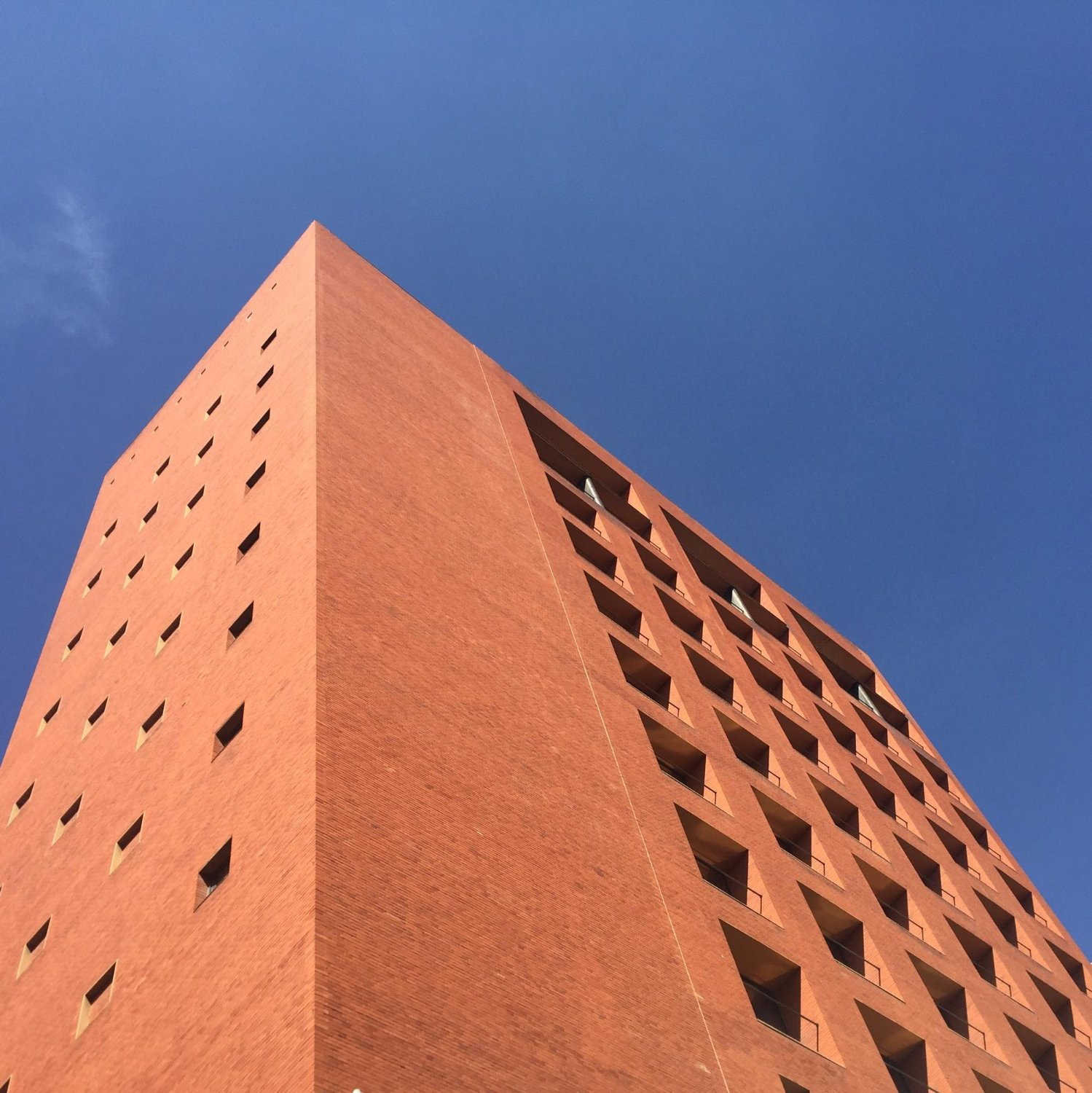
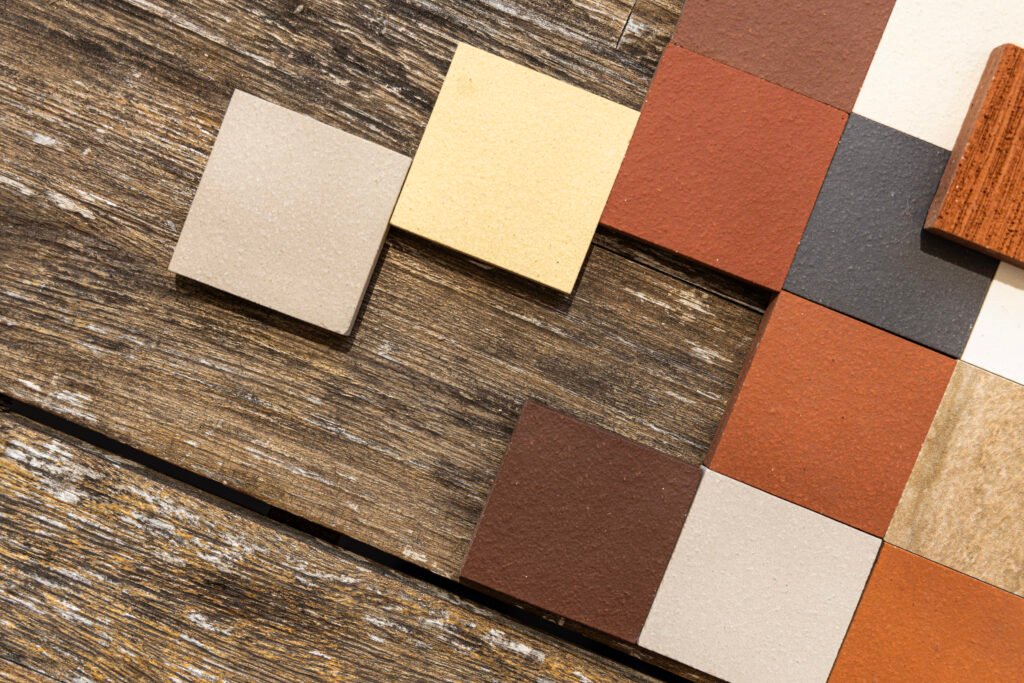
Terracotta cladding panels feature rich, natural color tones that enhance façade depth and architectural character. The color palette is derived from natural clay and firing processes, resulting in warm, earthy shades with long-lasting visual appeal.
The standard color range includes Natural Red, Terracotta Brown, Sand, Ivory, Grey, and Charcoal. Custom colors and special shades can be produced upon request to meet specific design requirements.
Subtle tonal variations are a natural characteristic of terracotta and contribute to the material’s authentic, handcrafted appearance, adding visual texture and uniqueness to each façade installation.
Ventilated Facades Overview
A ventilated facade, or rainscreen system, is a high-performance cladding solution designed to regulate temperature, manage moisture, and protect buildings from environmental damage. The system includes an outer cladding, an air cavity, supporting sub-framing, and continuous exterior insulation for enhanced thermal performance. SASHCO High-Density Fiber Cement panels form the external cladding layer, providing durability and design flexibility.
Ventilated Cavity Functionality
Cavity ventilation a key feature of the system, ensures that the air flows continuously between the cladding and the framing installation layer. Air enters through lower openings and exits through upper ones, as a result of the “chimney effect”. This process dries out the cavity, protecting the panels and mitigating moisture
penetration. Proper cavity design also helps regulate temperature and equalize pressure changes caused by wind.
Design Requirements
Unobstructed Airflow: Keep the cavity clear of restrictions caused by insulation or debris. Insulation must be securely installed to prevent deformation that could block airflow.
Ventilation Openings: Base and top openings must allow sufficient airflow. Anti-intrusion grilles may be used, provided they do not restrict ventilation.
Partitions: Horizontal and vertical partitions may compartmentalize airflow for fire management, but must not block circulation.
Benefits of Terracotta Cladding
Thermal Performance: The ventilation cavity reduces heat gain in summer and heat loss in winter, helping to stabilize indoor temperatures and lower energy consumption.
Moisture Control: Continuous airflow behind the cladding allows moisture and condensation to escape, protecting the structural wall from dampness and long-term damage.
Improved Indoor Comfort: By regulating temperature and humidity levels, ventilated façades contribute to a healthier and more comfortable indoor environment.
Low Maintenance: Ventilated façades minimize surface deterioration and moisture-related issues, resulting in lower maintenance requirements over time.
Sustainable Solution: Improved energy efficiency, durability, and the use of long-lasting materials make ventilated façades an environmentally responsible building solution.
Material Options
Terracotta cladding panels are available in a variety of formats to meet diverse architectural and structural requirements. Each panel type offers distinct benefits, allowing designers to select the most suitable solution for aesthetic, functional, and performance needs.
Solid Terracotta Panels
Solid panels provide a dense and robust construction, ideal for areas subject to high impact or heavy use. They combine a traditional terracotta appearance with modern performance characteristics, delivering long-lasting durability and visual appeal.
Hollow Terracotta Panels
Hollow panels are lightweight and reduce the overall load on the building structure. They offer improved thermal insulation and are suitable for large façade surfaces, making them an efficient choice for both new constructions and renovations.
Extruded Terracotta Profiles
Extruded profiles include linear and custom shapes that enable creative architectural designs. These panels are ideal for contemporary façades and allow flexibility in pattern, texture, and visual expression.
Installation instructions
Terracotta cladding panels are installed as part of a ventilated façade system using approved mechanical fixing or concealed anchoring methods, depending on the selected panel type and façade design. Proper installation ensures structural integrity, long-term performance, and consistent visual quality.
Structural Wall Preparation
The substrate must be structurally sound, level, and capable of supporting the façade system loads. Any surface irregularities should be corrected prior to installation.
Insulation and Waterproofing
Thermal insulation boards and a breathable waterproof membrane are installed to improve energy efficiency and protect the building envelope.
Installation instructions
Substructure Installation
Aluminum or galvanized steel support profiles are fixed to the structural wall in accordance with project specifications, ensuring accurate alignment and load transfer.
Alignment and Joint Detailing
Panels are aligned to achieve consistent joint spacing, proper drainage, and uniform façade appearance.
Panel Fixing
Terracotta panels are mounted onto the substructure using mechanical clips or concealed anchoring systems, maintaining the required ventilation cavity.
Important: Installation must be carried out by trained and experienced professionals in accordance with approved façade engineering details, manufacturer guidelines, and applicable building standards.
Fixing, Checking, and Inspection Details
Quality control during installation ensures long-term performance and safety.
- Substructure alignment and load capacity
- Correct fixing method and spacing
- Panel alignment and uniform joint widths
- Continuous ventilation gaps and unobstructed drainage paths
- Compliance with project specifications, drawings, and standards
Panel Handling and Storage
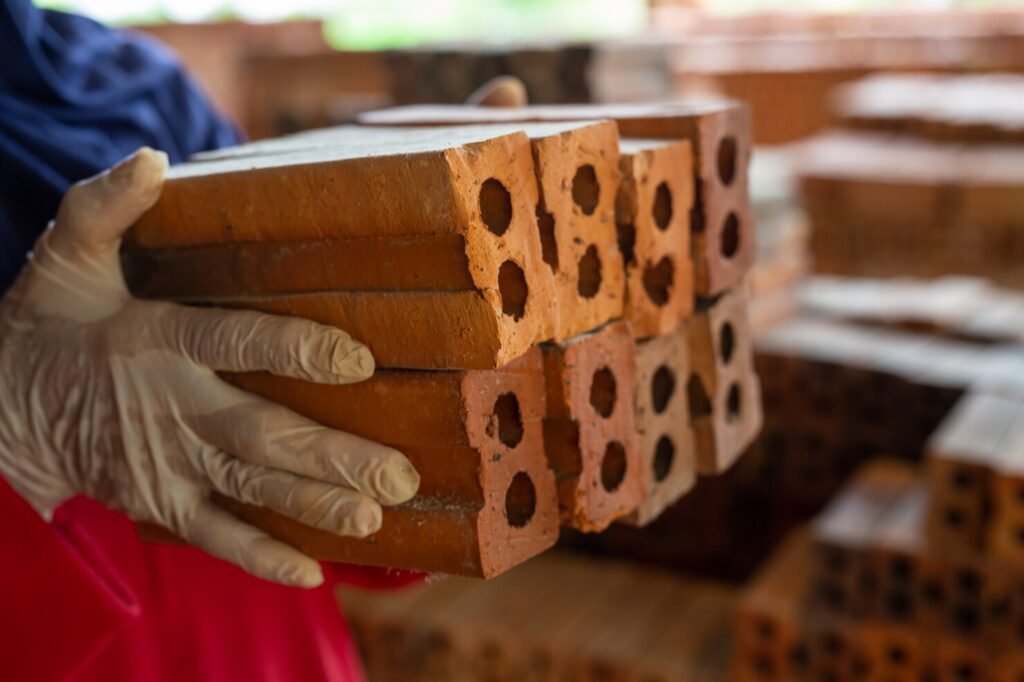
Proper handling and storage of terracotta panels are essential to maintain quality and prevent damage before installation. Following correct procedures ensures panels retain their structural integrity and appearance throughout transport and storage.
Handling Guidelines
Panels should be handled carefully to avoid edge impact or surface abrasion. Protective padding is recommended during transport, and panels should be moved vertically whenever possible to reduce the risk of breakage.
Storage Recommendations
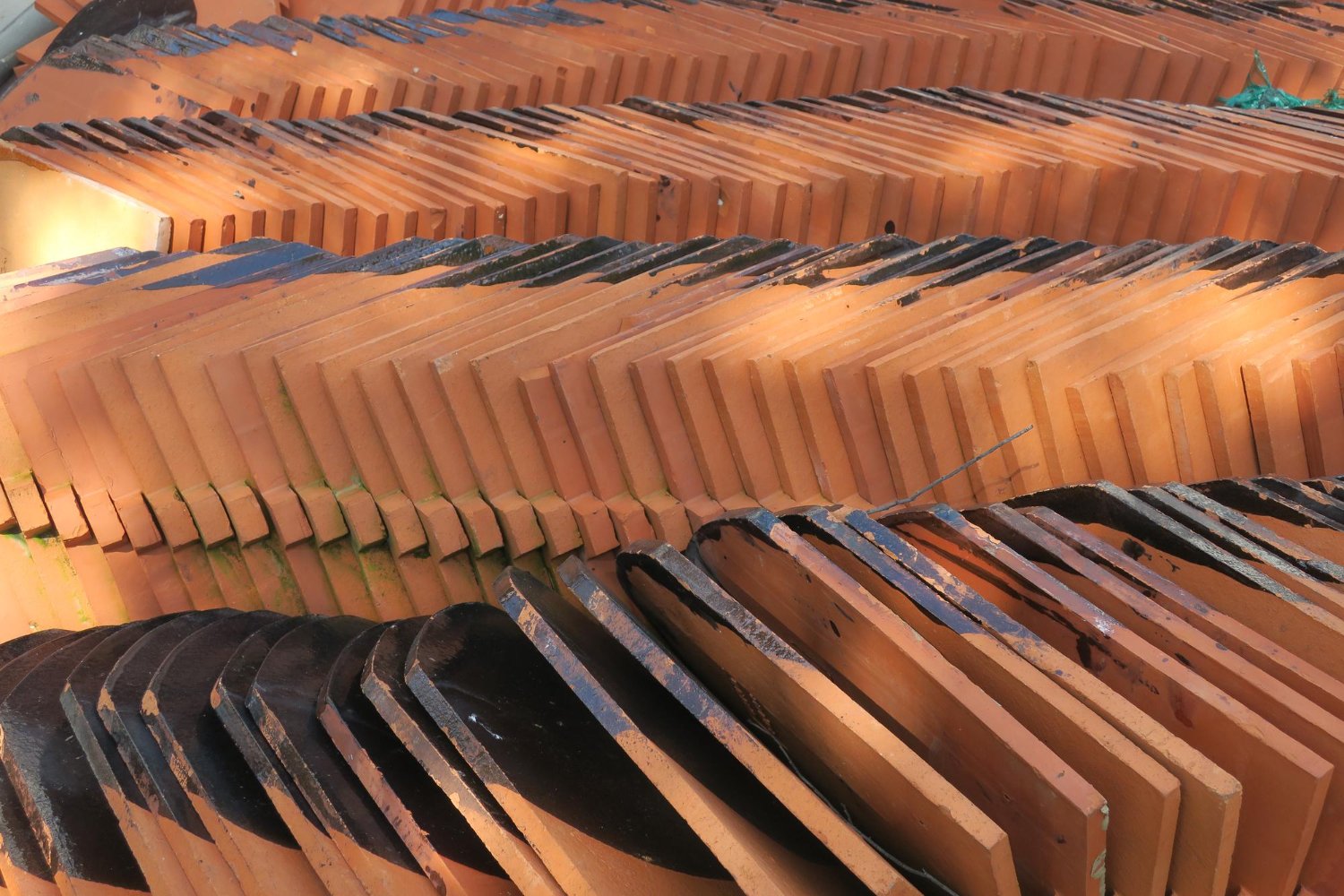
Panels must be stored on flat, stable surfaces and protected from moisture, dirt, and contamination. While covered, panels should still allow air circulation to prevent condensation or moisture accumulation.